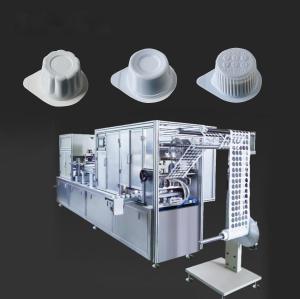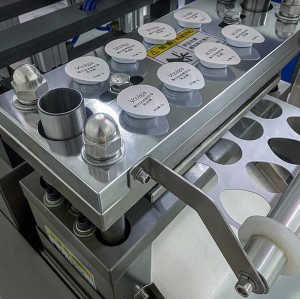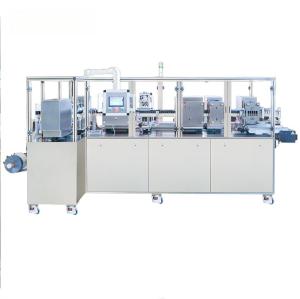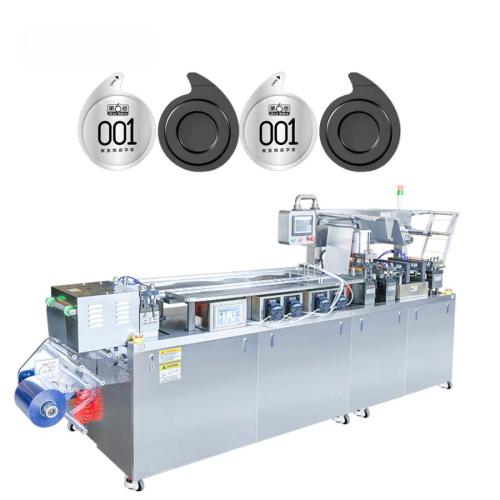
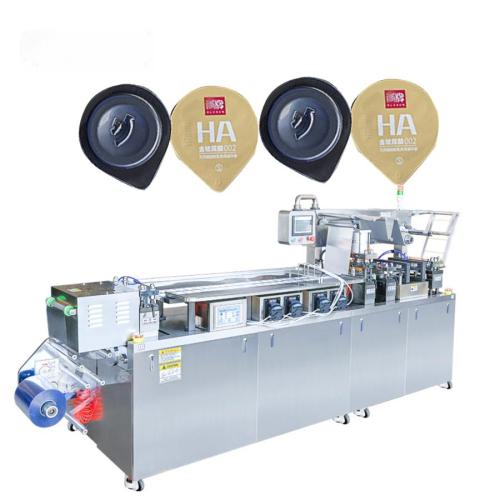

Blister Packaging Machine for Condom Packing Machine Manufacturer
- Model
- FM015
Item specifics
- Packaging products
- medicine
- PVC specification
- 0.15-0.5×250
- Machine power
- 6.2Kw
- Packaging speed
- 3.5-23 ten thousand pieces/hour
Review
Description
Introduction of Blister Packaging Machine for Condom
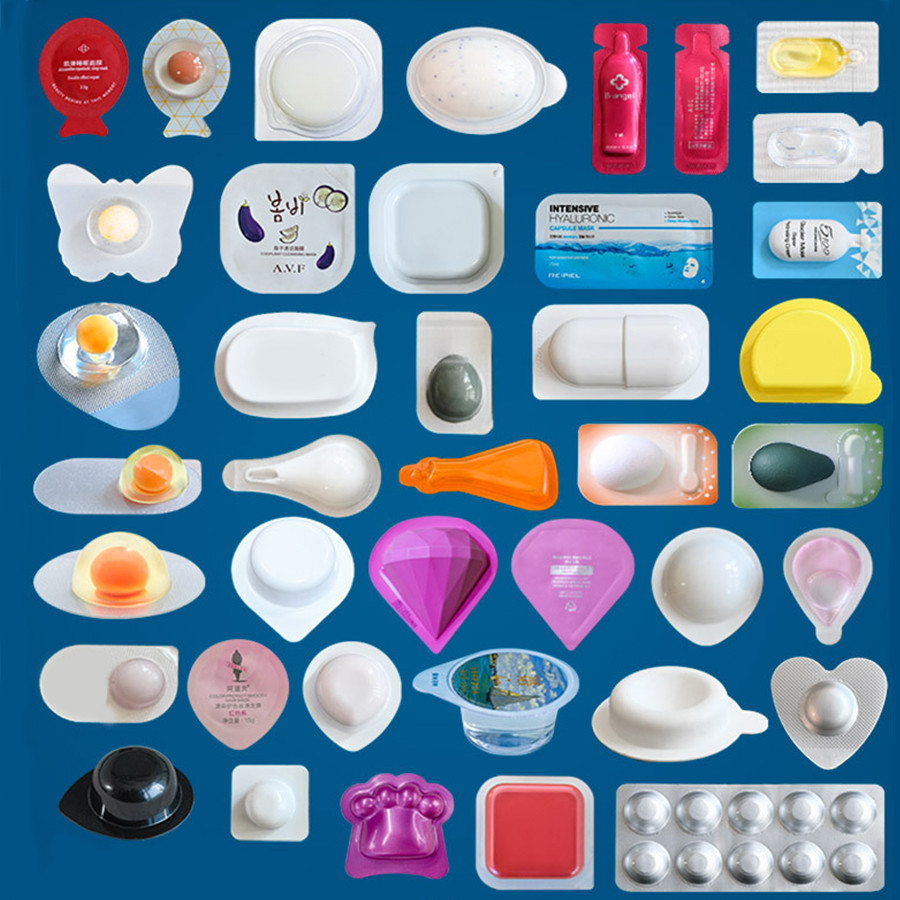
cosmetic blister packaging machine is an automated device used to seal cosmetic units such as creams, masks, lipsticks, and powder compacts within "bubbles" formed by rigid plastic sheets (blister packs) and aluminum foil (back sealing material). It is widely used in the cosmetics industry and has significant characteristics and advantages.
The following is a detailed description of its main features:
I. Core Process Features
3D Forming and Precise Filling:
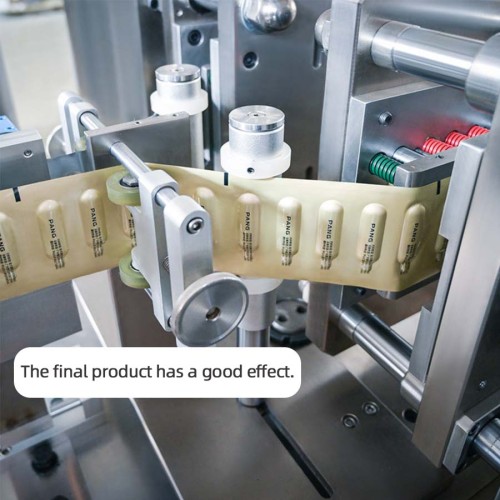
Blister Forming: Through heating and using molds (usually aluminum molds), rigid plastic sheets such as PVC, PET, and PP are vacuum-formed or stamped into grooves that perfectly match the shape of the product, resulting in high fit and a strong three-dimensional product display.
Precise Metering and Filling: Equipped with high-precision metering pumps (such as peristaltic pumps or gear pumps) or screw fillers, it can accurately fill creams, lotions, gels, etc., of different viscosities, ensuring consistent product weight/volume within each blister pack.
High-Efficiency Sealing and Protection:
Heat Sealing Technology: The aluminum foil (or other composite materials) covering the molded rigid plastic sheet is sealed under heat and pressure. The sealing line is clear and secure, ensuring complete isolation of the product from air, moisture, and bacteria, extending its shelf life.
Excellent airtightness: Particularly suitable for high-end cosmetics that are easily oxidized, highly volatile, or have extremely high hygiene requirements (such as ampoule serums and single-use products).
II. Production and Efficiency Features
High Automation and High Efficiency:
From sheet feeding, heating, forming, filling, sealing, coding to die-cutting, the entire process is automated and continuous, with high operating speeds (common speeds range from tens to hundreds of bubbles per minute), significantly improving production efficiency and reducing labor costs and intensity.
High Flexibility:
Mold Changeover: By changing the forming and die-cutting molds, it can quickly adapt to product packaging of different shapes and sizes (such as round face masks, square powder compacts, and irregularly shaped lipstick refills).
Strong Material Adaptability: Compatible with various types of plastic sheets and laminated materials, meeting the needs of different visual effects such as transparent, colored, aluminized, and matte finishes.
Multi-functional Integration: Easily integrates subsequent processes such as coding (production date, batch number), visual inspection, tray filling, and bagging. III. Packaging Effect and Market Advantages
Superior Display and Aesthetics:
The "what you see is what you get" visual presentation makes the product clearly visible, enhancing display appeal.
The blister pack's highly flexible design allows for highlighting product design and enhancing the brand's premium image.
Convenience and Hygiene:
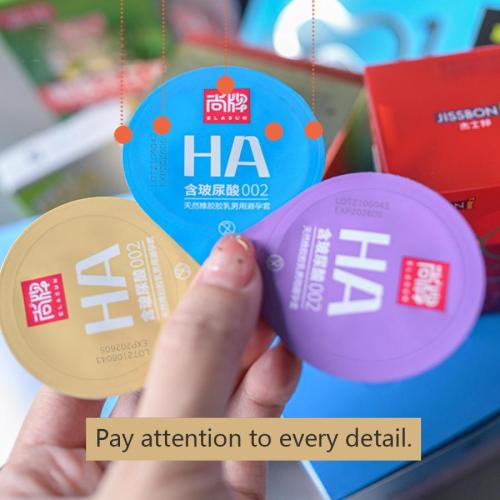
Consumers can easily tear or press to dispense the product, ensuring clear single-use dosage, convenience, and hygiene, avoiding secondary contamination, and aligning with modern consumer habits.
Equivalent to samples, travel-sized products, or single-use packaging (e.g., single-use face masks, single-use serums).
IV. Economic and Environmental Features
High Material Utilization and Controllable Costs:
Using roll-type sheets, continuously formed and cut on a machine, minimizes waste and achieves higher material utilization than pre-made plastic shells.
Compared to injection-molded bottles and cans, blister packaging typically has lower mold costs and shorter production cycles.
Lightweight and Environmentally Friendly Trends:
Blister packaging is lightweight, reducing transportation costs.
With the development of recyclable plastic sheets (such as rPET and PP) and single-material structures, blister packaging has room for improvement in sustainable packaging, aligning with industry environmental trends.
V. New Features of Technological Development (High-End Models)
Intelligentization and Stability:
PLC and Touch Screen Control: Intelligent parameter setting and operation monitoring, clear fault diagnosis prompts.
High Stability and Low Loss: Precision mechanical design and high-quality components ensure long-term continuous and stable operation with a low scrap rate.
Clean and Safe Design: Utilizes easy-to-clean materials such as stainless steel, meeting GMP requirements; equipped with a safety guard and emergency stop device.
Advantages of Blister Packaging Machine for Condom
Blister packaging machines are widely used automated packaging equipment in the pharmaceutical, food, and daily chemical industries. They are primarily used to seal products (such as tablets, capsules, candies, and small items) between plastic blister packs and a base plate (usually aluminum foil or composite film). Their advantages are mainly reflected in the following aspects:
1. High-efficiency production and high degree of automation:
High-speed operation: Modern blister packaging machines can produce hundreds to thousands of blister packs per minute, suitable for large-scale batch production.
Continuous operation: Automated feeding, forming, filling, sealing, and cutting processes are completed in one integrated process, reducing manual intervention and improving efficiency.
Connectable to production lines: Easily connected to subsequent equipment such as cartoning machines and case packing machines to achieve fully automated assembly line operation.
2. Strong product protection:
Good sealing: The inside of the blister pack is usually filled with an inert gas (such as nitrogen) to prevent moisture and oxidation, extending the product's shelf life (especially crucial for pharmaceuticals and food).
Physical protection: Each product is independently separated within the blister pack, avoiding collisions, friction, or contamination during transportation.
Strong Barrier Properties: Materials like aluminum foil effectively block light, moisture, and oxygen, making them suitable for products sensitive to storage conditions.
3. Ease of Use and User Experience:
Portable and easy to handle: Blister packs are lightweight and portable, and each product can be individually pressed out (like "blister" tablet packaging), facilitating accurate dosage.
Clear Dosage: Particularly suitable for dispensing medications by tablet/capsule, preventing incorrect or missed doses.
Child-Safe Design: Some blister packs require tearing or firm pressing to remove, reducing the risk of accidental ingestion by children.
4. Information Labeling and Anti-counterfeiting Traceability:
Flexible printing: Product name, batch number, expiration date, and instructions for use can be printed directly on the aluminum foil or base plate.
Strong Traceability: Combined with laser coding or inkjet printing technology, each blister pack has a unique code, facilitating quality tracking and anti-counterfeiting.
5. Cost-Effectiveness and Environmental Friendliness:
Controllable material costs: Blister packaging is typically lighter than glass or plastic bottles, saving on packaging materials and transportation costs.
Reduced Waste: High precision automated filling reduces product loss; some materials (such as aluminum and plastic) are recyclable.
Adaptable to Multiple Sizes: By changing molds, the same machine can package products of different sizes and shapes, offering high flexibility.
6. Compliant with Industry Standards
Pharmaceutical GMP Compliance: Blister packaging machines are easy to clean and sterilize, and their design complies with Good Manufacturing Practices (GMP) requirements, reducing the risk of contamination.
Food/Medical Device Standards: Meets both food safety (HACCP) and medical device packaging sterility and sealing standards.
7. Flexibility and Adaptability
Diverse Materials: Applicable to various molding and sealing materials such as PVC, PVDC, aluminum foil, and composite films.
Wide Product Compatibility: Can package not only solids (tablets, capsules) but also special forms such as ointments and liquid sachets.
Easy Size Adjustment: Quickly switch product packaging sizes by changing molds or adjusting machine parameters.
Application Examples
Pharmaceutical Industry: Western medicine tablets, capsules, traditional Chinese medicine pills, etc.
Food industry: Candy, chocolate, chewing gum, snacks, etc.
Daily chemical products: Cosmetic capsules, soap sheets, band-aids, etc.
Small electronic components: Button batteries, small electronic components, etc.