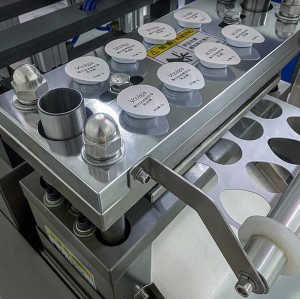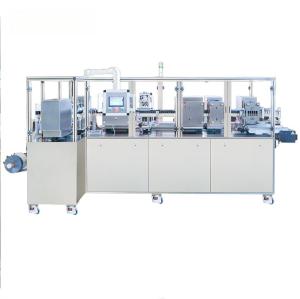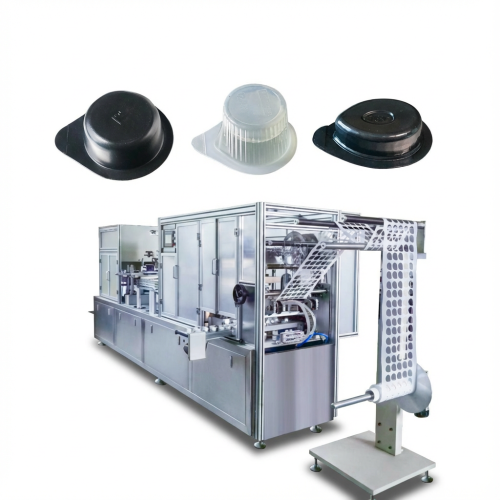
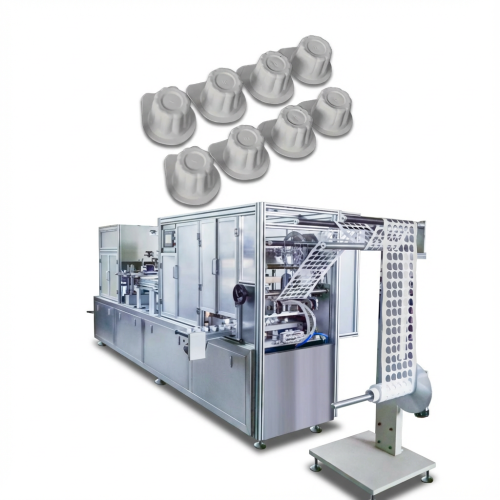
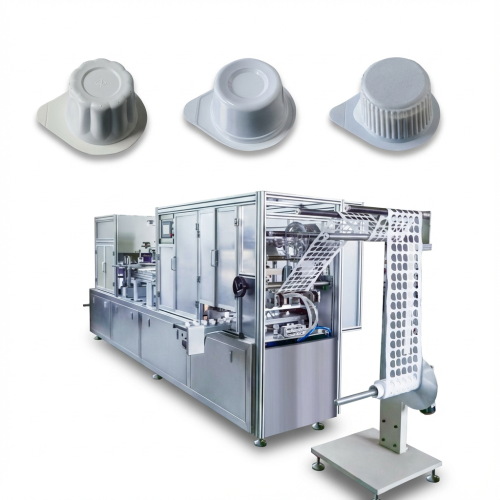

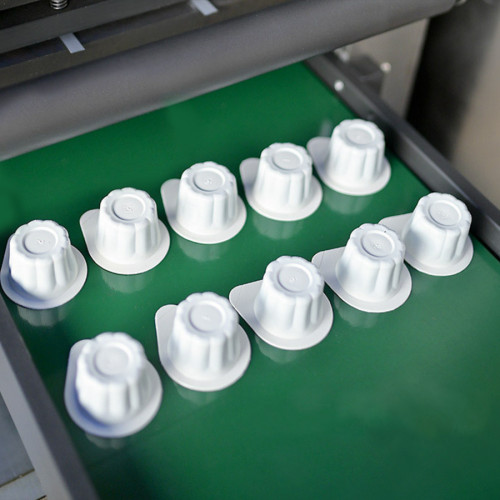
Medical Blister Packs Packing Machine Manufacturer
- Model
- FM015
Item specifics
- Packaging products
- medicine
- PVC specification
- 0.15-0.5×250
- Machine power
- 6.2Kw
- Packaging speed
- 3.5-23 ten thousand pieces/hour
Review
Description
Introduction of Medical Blister Packs
Medical blister packs/packaging machines are key equipment in the production of solid dosage forms such as tablets and capsules. Their operational stability directly affects product quality and production safety. The following are detailed usage precautions, covering all aspects before, during, and after operation, as well as maintenance.
I. Pre-Operation Preparation
Personnel Training and Attire:
Operators must undergo rigorous training and be familiar with the equipment's structure, performance, operating procedures, and safety regulations.
Wear clean work clothes, a work cap, and gloves. Long hair should be tied up to prevent it from getting caught in the machine.
Environmental Inspection:
Confirm that the cleanliness of the production environment (e.g., Grade D or higher), temperature, and humidity meet the requirements of Good Manufacturing Practices (GMP).
Check that the equipment area is free of debris and the floor is dry to prevent slipping or contamination.
Equipment and Material Inspection:
Equipment Status: Confirm that the equipment has been cleaned and disinfected, and that there are no residues from the previous batch of products. Check the "Intact" and "Clean" status labels.
Molds and Accessories: Confirm that the forming mold and heat-sealing mold are installed correctly and securely, and that their models match the products to be packaged. Check that the cooling water, vacuum, and compressed air pipeline connections are normal.
Material Confirmation: Verify the name, specifications, and batch number of packaging materials such as PVC/PVDC rigid sheets and aluminum foil to ensure they meet process requirements. Check that tablets/capsules are free from appearance defects, burrs, or excessive powder.
Lubrication: Add an appropriate amount of food-grade lubricating oil to the designated lubrication points as required by the equipment maintenance manual.
II. Precautions During Operation
Start-up and Debugging:
Perform a no-load jog test, listening for sounds and observing smooth operation without abnormal impact or friction noises.
Trial Packaging: Use a small amount of material and packaging to adjust key parameters:
Heating Temperature: The forming and heat-sealing temperatures need to be adjusted according to the packaging thickness and environment. Too low a temperature will result in poor sealing or poor forming; too high a temperature will cause the packaging to burn or perforate.
Pressure: The heat-sealing pressure must be uniform to ensure a clear and secure seal.
Vacuum and Die-Cutting: Check that the blister pack forming is full and uniform, and that the edges of the die-cut plates are smooth, free of burrs, and without any lumps.
After successful commissioning, conduct a first-piece inspection (including appearance, sealing, and panel dimensions). Production can only commence after confirming compliance with quality standards.
Operation Monitoring:
Continuous Observation: Closely monitor the equipment's operating status, especially the forming, heat-sealing, and punching stations. Regular Product Spot Checks:
Sealing (Air Leakage)
Panel Surface Flatness
Printed Pattern (if any) Correctness and Clarity
Presence of Missing Particles, Broken Particles, or Foreign Objects
Parameter Stability: Unauthorized changes to set process parameters are strictly prohibited. If product quality fluctuations are detected, fine-tuning should be performed under the guidance of process engineers or technicians.
Material and Packaging Material Replenishment: When adding materials or changing rolls, pay attention to joint treatment to prevent jamming or material breakage. Several panels of products must be re-inspected after each replacement.
Abnormal Handling: Any abnormalities (such as unusual noises, jamming, abnormal temperature alarms, or continuous product defects) must be immediately stopped. Production can only resume after identifying the cause and troubleshooting. It is strictly forbidden to place hands into moving parts while the equipment is running.
Record Keeping: Complete production records, equipment operation records, and cleaning records promptly and accurately.
III. Post-Operation Precautions
Shutdown Procedure: Shut down the machine in the correct sequence (usually stop heating first, wait for the temperature to drop to a certain level before stopping the main unit, and finally turn off the gas, water, and power sources).
Cleanup and Site Preparation:
Material Cleaning: Count and return any remaining materials. Remove all residual chemicals, debris, and waste packaging materials from the equipment.
Equipment Cleaning: Thoroughly clean the equipment according to the prescribed Standard Operating Procedure (SOP). Key Cleaning Areas:
Parts in direct contact with materials (hoppers, feeders, mold cavities, guide channels, etc.).
Heat-sealing mold surfaces (remove any adhering substances using a special tool after the temperature has dropped to a safe range).
Use appropriate cleaning agents and disinfectants during cleaning to avoid corroding the equipment. Prevent water or cleaning agents from splashing into electrical components.
After cleaning, attach a "Cleaned" status label.
Maintenance and Inspection: Perform simple routine maintenance, such as checking for loose fasteners.
IV. Regular Maintenance and General Safety Principles
Planned Maintenance: Strictly adhere to the equipment maintenance plan for weekly, monthly, and annual inspections. This includes checking the transmission system, pneumatic components, heating elements, vacuum system, and electrical safety.
Mold Maintenance: Regularly disassemble molds for deep cleaning and inspection to prevent clogging of heat-sealing lines. Apply anti-rust oil for storage when not in use for extended periods.
General Safety Principles:
Electrical Safety: All maintenance and cleaning must be performed with power and gas supplies disconnected. Electrical cabinet doors must be kept closed.
High Temperature Protection: The molding and heat-sealing areas are very hot; prolonged cooling is required after shutdown. Direct contact is strictly prohibited.
Mechanical Protection: All safety guards and interlocking devices must be kept in good working order. Operating the equipment with safety guards removed or malfunctioning is strictly prohibited.
Locking and Tagging: During maintenance and repair, a "lock/tag" procedure must be followed to prevent accidental activation.
Common Risks and Prevention of Medical Blister Packs
1. Product Inadequate Sealing: Check heat sealing temperature, pressure, time, mold flatness, and packaging material quality.
2. Poor Blister Formation: Check forming temperature, whether the mold vacuum vents are blocked, compressed air pressure, and packaging material suitability.
3. Bursting or Blistering: Check the sharpness of the punching die edge, accuracy of alignment, and suitability of the punching pressure.
4. Abnormal Equipment Noise or Jamming: Immediately stop the machine and check for foreign objects, loose parts, or insufficient lubrication.