A Discussion on the Application of Blister Packaging Machines in Pharmaceutical Packaging
- Share
- Issue Time
- Nov 23,2025
Summary
Blister packaging machines provide moisture-proof and light-proof protection for pharmaceuticals by heat-sealing rigid plastic sheets and aluminum foil, combining high-efficiency production with ease of use. In the future, they will evolve towards intelligent and environmentally friendly designs to meet the diverse needs of the pharmaceutical industry.
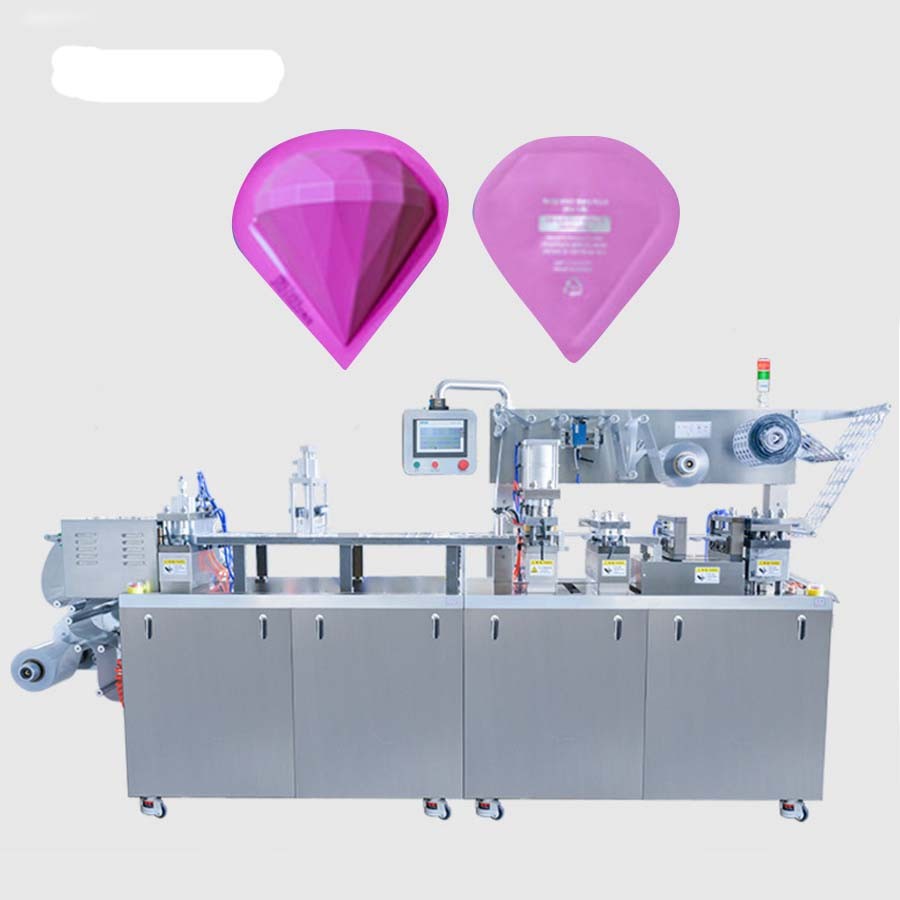
Today I'd like to talk about the application of blister packaging machines in pharmaceutical packaging. Blister packaging machines are a common type of packaging equipment. They complete the packaging by placing medicines in blister packs formed from materials such as rigid plastic sheets or aluminum foil and then heat-sealing them. This packaging method is quite common in the pharmaceutical industry, and I will discuss its application from several aspects below.
1. Basic Principles and Structure of Blister Packaging Machines
The working principle of blister packaging machines is relatively simple. A rigid plastic sheet is softened by heating, and then a blister is formed in a mold using air pressure or vacuum. Next, the medicine is automatically or manually placed into the blister, and finally covered with aluminum foil or other sealing material, and sealed by heat pressing to complete the packaging. The entire process typically includes material feeding, heating, forming, filling, sealing, and punching steps.
The structure of this type of machine generally consists of a forming section, a filling section, a sealing section, and a control system. The forming section is responsible for heating the rigid plastic sheet and forming the blister; the filling section accurately places the medicine into the blister; the sealing section combines the cap material with the blister through heat pressing; and the control system coordinates the actions of each part to ensure the stability and accuracy of the packaging process.
2.Advantages of Blister Packaging Machines in Pharmaceutical Packaging
Blister packaging machines offer several distinct advantages in pharmaceutical packaging. They provide superior protection. Typically composed of plastic and aluminum foil, blister packs offer moisture and light protection, minimizing the impact of external environmental factors on the medication and helping to maintain its stability.
This packaging format is user-friendly. Each blister unit is independent, allowing patients to take only what they need, reducing waste, and is also easy to carry and store.
Furthermore, blister packaging machines offer good production efficiency. Highly automated models can achieve continuous production, increasing packaging speed and making them suitable for large-scale pharmaceutical packaging needs.
Blister packaging offers flexibility in information labeling. Drug names, specifications, batch numbers, and other information can be printed on the aluminum foil or plastic sheets, facilitating identification and management.
3.Precautions and Challenges in Application
While blister packaging machines offer numerous advantages, several aspects still require attention in practical applications. Material selection is crucial. Plastic sheets and aluminum foil must meet relevant pharmaceutical packaging standards, ensuring they are non-toxic, non-polluting, and compatible with the medications.
The packaging process demands high hygiene standards. Pharmaceutical packaging must avoid contamination; therefore, the machine needs to be easy to clean and maintain, and some steps may require a clean environment.
Furthermore, the adaptability of the equipment is a consideration. Different medications may have different shapes and sizes, requiring blister packaging machines to be able to adjust the forming molds and filling systems to accommodate diverse packaging needs.
Cost factors cannot be ignored. The initial investment and maintenance costs of blister packaging machines can be high, necessitating companies to plan rationally based on their production scale and needs. In RMB terms, the price of small to medium-sized machines typically ranges from hundreds of thousands to millions of RMB, depending on the level of automation and functionality.
4. Future Development Trends
With the development of the pharmaceutical industry, blister packaging machines are also constantly evolving. On the one hand, automation will be further enhanced, with more intelligent control systems being introduced to improve packaging accuracy and efficiency. For example, visual inspection systems can automatically identify the location and defects of medicines, reducing manual intervention.
On the other hand, environmental protection is receiving more attention. Biodegradable materials or recyclable designs may become the future direction of development to reduce the environmental impact of packaging.
The demand for personalized packaging may increase. Blister packaging machines may need to adapt to small-batch, multi-variety production models to meet market demands.
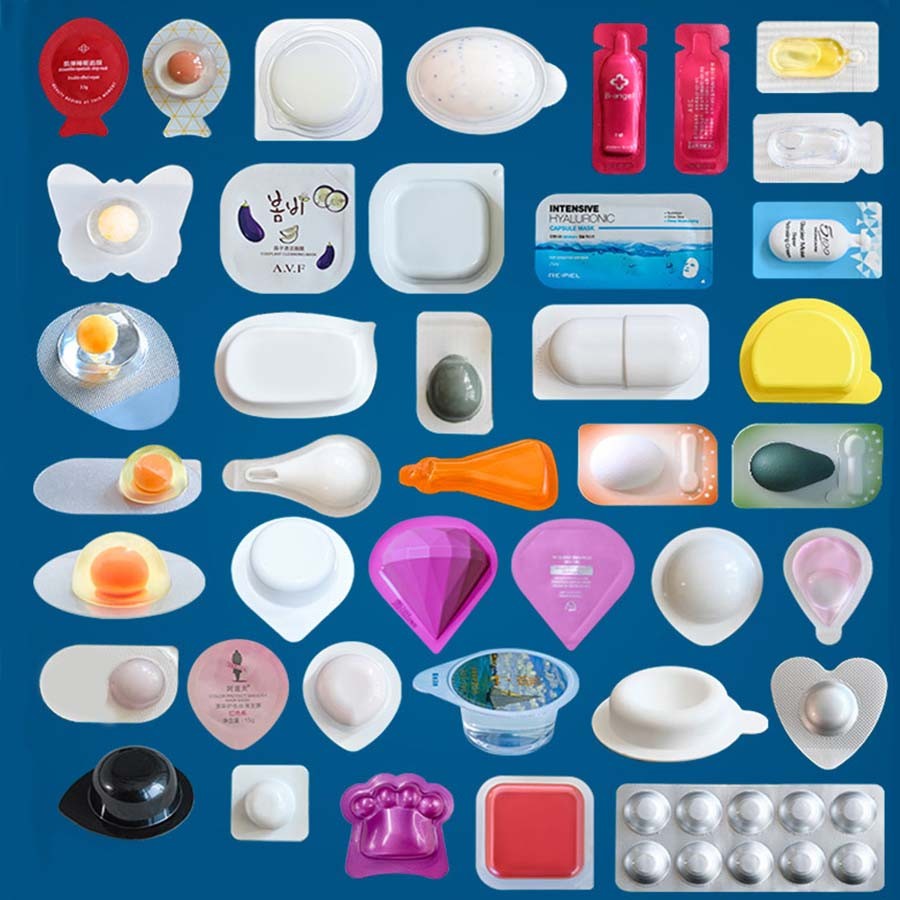
Blister packaging machines play an important role in pharmaceutical packaging, providing a reliable solution for drug packaging by offering protection, convenience, and production efficiency. However, in practical applications, factors such as materials, hygiene, adaptability, and cost still need to be considered. With technological advancements, this type of equipment may become more intelligent and environmentally friendly in the future, better serving the pharmaceutical industry. As the editor, I will continue to follow the dynamics of this field and share more valuable information with you.