Opportunities, challenges and domestic substitution trends in the packaging machinery industry
- Share
- Issue Time
- Nov 21,2025
Summary
The packaging machinery industry has broad prospects. As a crucial link in commodity circulation, its demand is stable and contains new opportunities.
Opportunities and Challenges in the Packaging Machinery Industry
1. Industry Status and Technological Integration
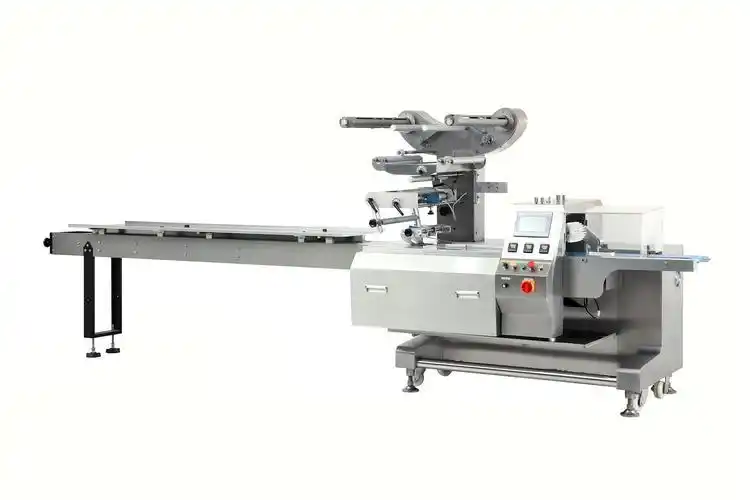
The packaging machinery industry has broad prospects. As a crucial link in commodity circulation, its demand is stable and contains new opportunities. Packaging machinery integrates multiple technologies, such as machining and electrical control, which are essential for improving production efficiency and ensuring product quality. Differences in downstream industries lead to highly personalized demands for packaging machinery, requiring suppliers to customize equipment according to customer needs.
2. Driving Factors in the Food and Beverage Industry
The food and beverage industry is a major downstream sector for packaging machinery, with beverage packaging machinery accounting for approximately 21% of the market. Liquid food packaging machinery, particularly for dairy products, beverages, and alcoholic beverages, has a promising market outlook. Due to its strong counter-cyclical nature, liquid food packaging machinery can maintain high growth even when GDP growth slows, bringing new development opportunities to the industry. With economic development and rising per capita income, the necessities and fast-moving consumer goods industries are performing well, providing a solid market foundation for the liquid food packaging machinery industry. At the same time, new developments in the consumer sector and the advancement of intelligent manufacturing are also bringing new development trends and opportunities to the liquid food packaging machinery industry.
3. Changes in Consumer Demand
On the demand side, consumption upgrades, the pandemic, and shifts in consumption concepts have collectively stimulated new demands. Rising household incomes have driven growth in total retail sales, while also creating an urgent need for improved food and beverage quality. These new changes present both challenges and opportunities for the packaging machinery industry. Following the impact of the 2020 pandemic, consumers have increasingly favored long-term storage options to prepare for potential crises. This shift in dietary and consumption habits has driven their exploration of new tastes and flavors, while also placing greater emphasis on complex nutrition, low calories, and natural, organic, craft, and premium product categories.
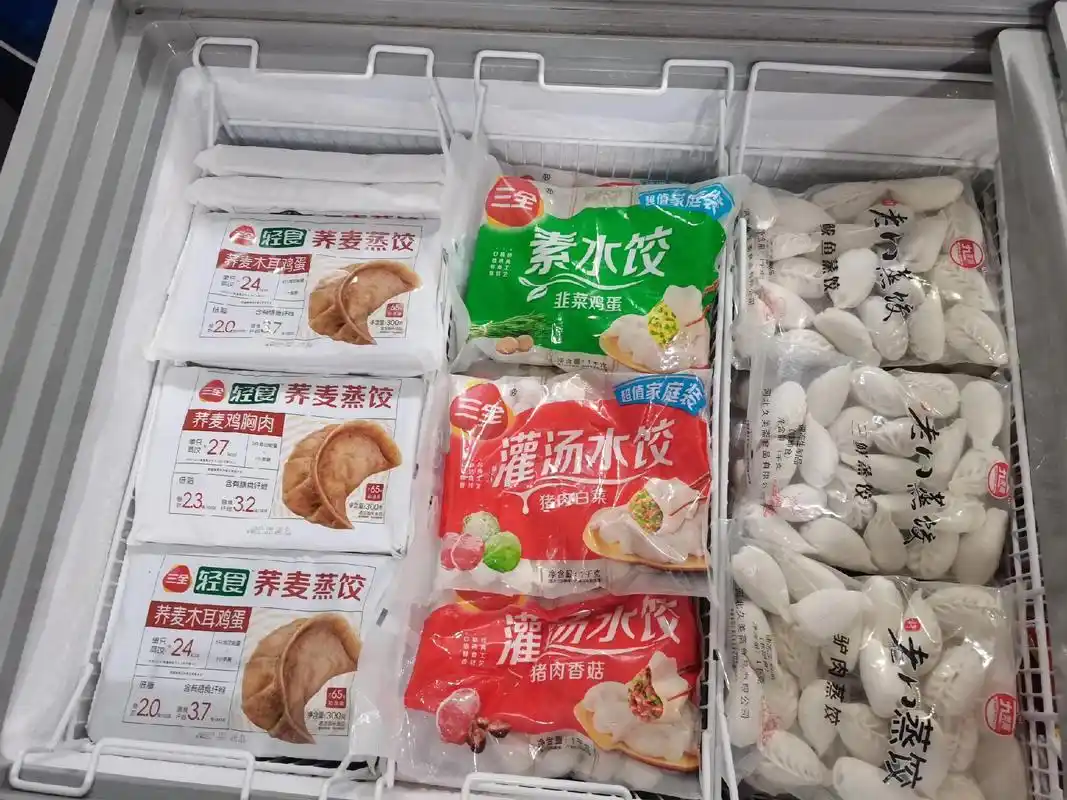
These changes in consumer demand have not only propelled the continued development of the food and beverage industry but also created new development opportunities for the upstream food and beverage packaging machinery industry. Taking the recently popular frozen pre-prepared foods as an example, although my country's market demand is still in its early stages, its growth potential is enormous compared to overseas markets. Furthermore, the age structure of frozen pre-prepared food consumers is dominated by young consumers under 40, indicating a solid and sustainable consumer base. With the continuous enrichment of product varieties and the ongoing expansion of marketing channels, this market is expected to continue to expand, and the demand for pre-prepared foods will exhibit strong sustainability and growth. Similarly, changes in dairy product consumption demand have also brought new development opportunities to the liquid food packaging machinery industry.
4. Intelligentization and Technological Innovation
A New Trend – Intelligent Packaging. With rapid technological advancements, technologies such as printed electronics, RFID, communications, artificial intelligence, and robotics are gradually integrating into the packaging industry, making intelligent packaging a new growth driver. Intelligent manufacturing has become a consensus in industrial development, and the automation rate in my country's packaging machinery sector has exceeded 50%, laying a solid foundation for intelligent development. It is expected that the intelligentization of packaging equipment will further accelerate in the future, improving efficiency, automation levels, and accuracy.
Compared to traditional food packaging machines, intelligent packaging machinery exhibits significant advantages. It can monitor various parameters on the production line, quickly eliminate substandard products, and reduce the risk of food contamination and safety hazards. Simultaneously, communication technology enables a closer integration between packaging machinery and food production, improving production efficiency and safety. The application of technologies such as industrial robots has further significantly improved packaging efficiency and reduced costs.
Domestic Substitution and Development Prospects
5. Development of the High-End Market
Although developed manufacturing countries such as Germany, the United States, and Italy dominate the high-end packaging equipment market, Chinese companies are gradually emerging in the high-end market through independent innovation and technology introduction.
5. Enterprise Innovation and Independent Capability
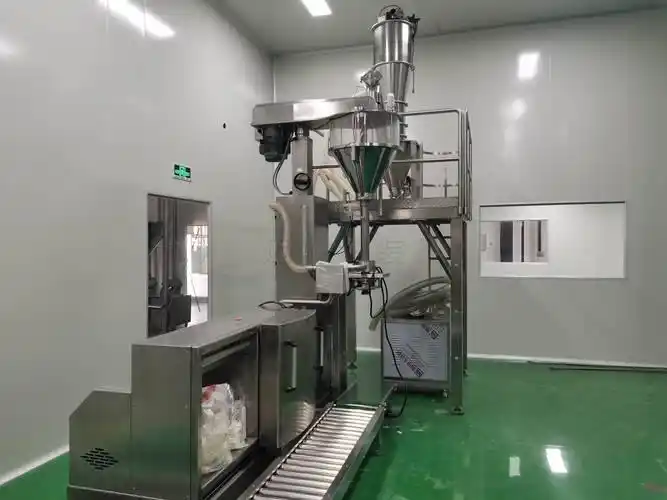
Domestic packaging equipment manufacturers have made years of effort to catch up with internationally renowned companies, gradually evolving from the initial stage of imitation and learning to the stage of self-innovation. Today, a few leading companies, with their deep accumulation of experience, possess complete capabilities in independent R&D, design, manufacturing, installation, and commissioning of packaging equipment. At the same time, domestic companies can provide timely and efficient after-sales service to customers, and their prices are more affordable, resulting in a significant overall cost-performance advantage, thus gradually narrowing the competitive gap with internationally renowned companies in the market.
6.Future Trends and Confidence
Looking to the future, the trend of domestic substitution in packaging machinery is becoming increasingly clear. Although it is currently in its initial stage, and most domestic food and beverage companies are still taking a wait-and-see approach, domestic equipment manufacturers are full of confidence, expecting downstream customers to recognize the value of their domestically produced equipment, thereby achieving subsequent equipment sales and accelerating the process of domestic substitution.