What types of packaging machines are there?
- Share
- Issue Time
- Nov 24,2025
Summary
This is a very practical question. There are many types of packaging machines, and they can be categorized based on various factors
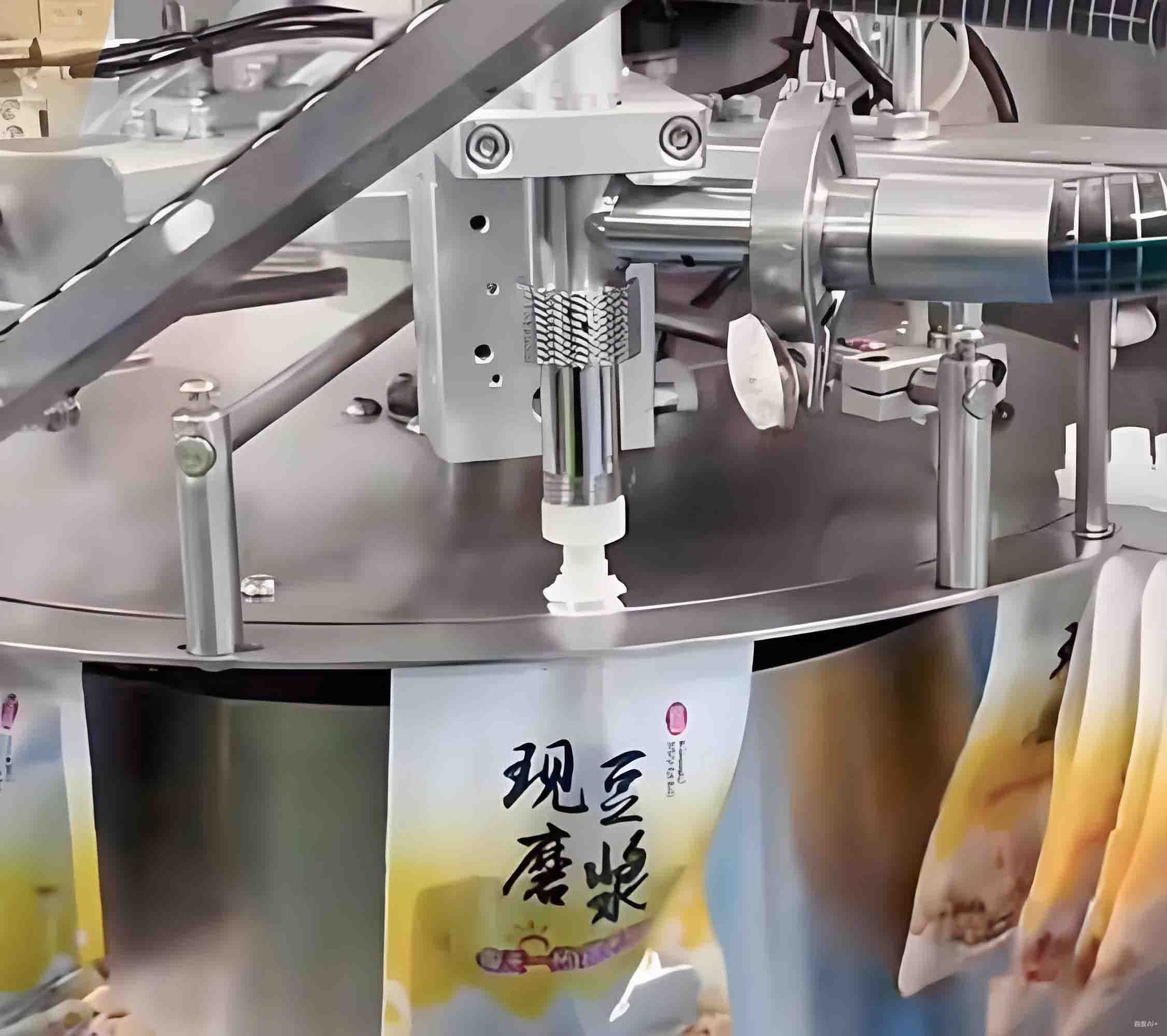
This is a very practical question. There are many types of packaging machines, and they can be categorized based on various factors. Below, I will provide a detailed analysis based on three key aspects: packaging function (the most commonly used classification), degree of automation, and packaging material type.
Classification by Primary Packaging Function (The Most Core Classification)
This is the most common classification method, based on the core process the machine performs in the packaging process.
1. Filling Machine
Responsible for filling products (solids, liquids, powders, etc.) into containers or packaging materials.
Liquid Filling Machine: Used for water, beverages, oils, sauces, cosmetics, etc.
Paste Filling Machine: Used for toothpaste, ointments, cosmetic creams, etc.
Powder Filling Machine: Used for milk powder, coffee, seasonings, pharmaceutical powders, etc.
Granule Filling Machine: Used for candy, nuts, pharmaceutical capsules, seeds, etc.
Sauce Filling Machine: Used for ketchup, salad dressing, hot sauce, etc.
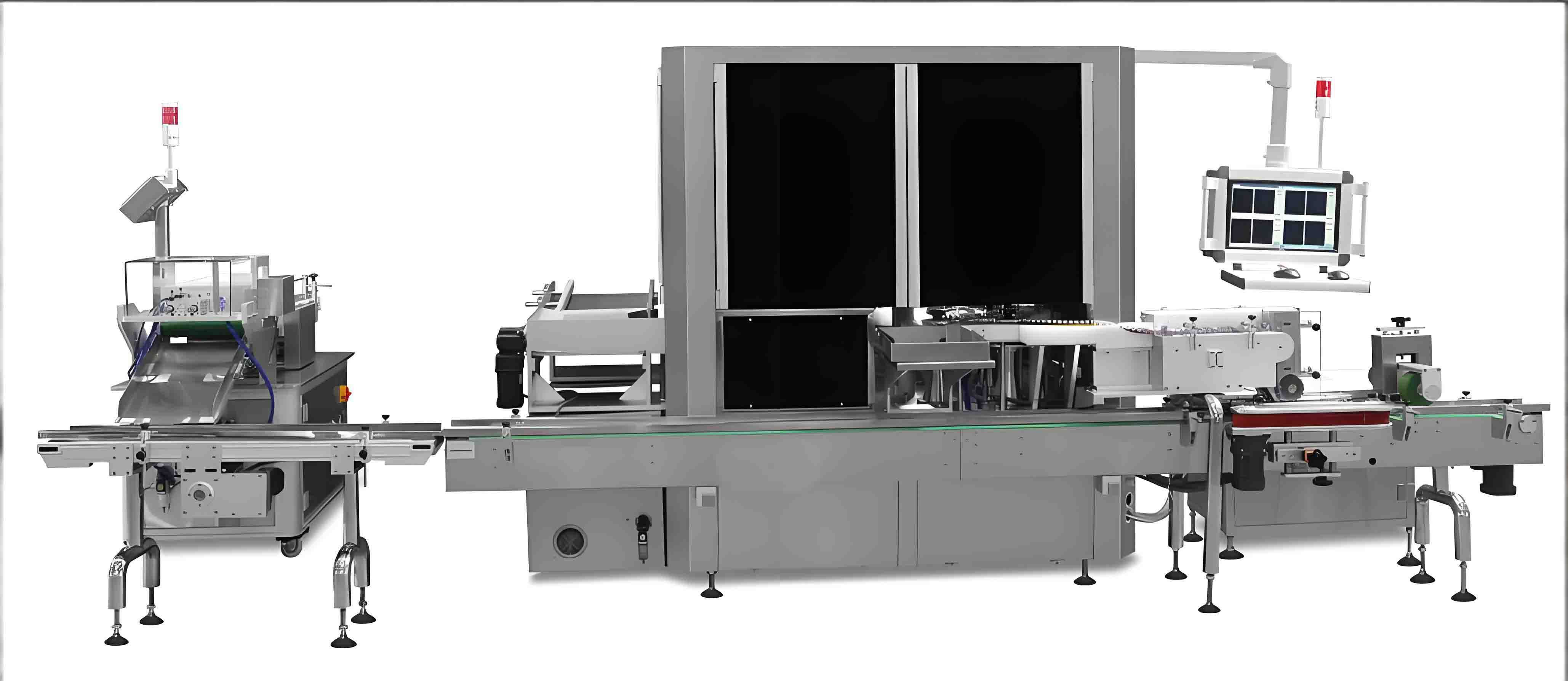
2. Sealing Machine: Responsible for sealing filled containers.
Plastic bag/film sealing machines: Use heat and pressure to seal plastic bags. Common types include manual, foot-operated, and continuous types.
Bottle and can sealing machines:
Capping machines: Used for threaded caps on bottles such as mineral water and sauce bottles.
Capping machines: Used for crown caps on beer and beverage bottles.
Corking machines: Used for wooden or plastic corks on wine bottles.
Aluminum foil sealing machines: Used to heat-seal the bottle opening with a layer of aluminum foil, commonly used for pharmaceuticals and high-end food products.
Carton sealing machines: Used to seal the top and bottom lids of cartons with tape.
3. Wrapping machines: Wrap single or multiple products in flexible packaging materials (such as film or paper).
Candy wrapping machines: Wrap individual candies.
Cigarette wrapping machines: Wrap entire cartons of cigarettes in transparent film.
Shrink wrapping machines: Wrap products in heat-shrink film, then pass the film through a heated tunnel to shrink it tightly against the product.
Stretch wrapping machines: Use stretch film to secure goods stacked on pallets.
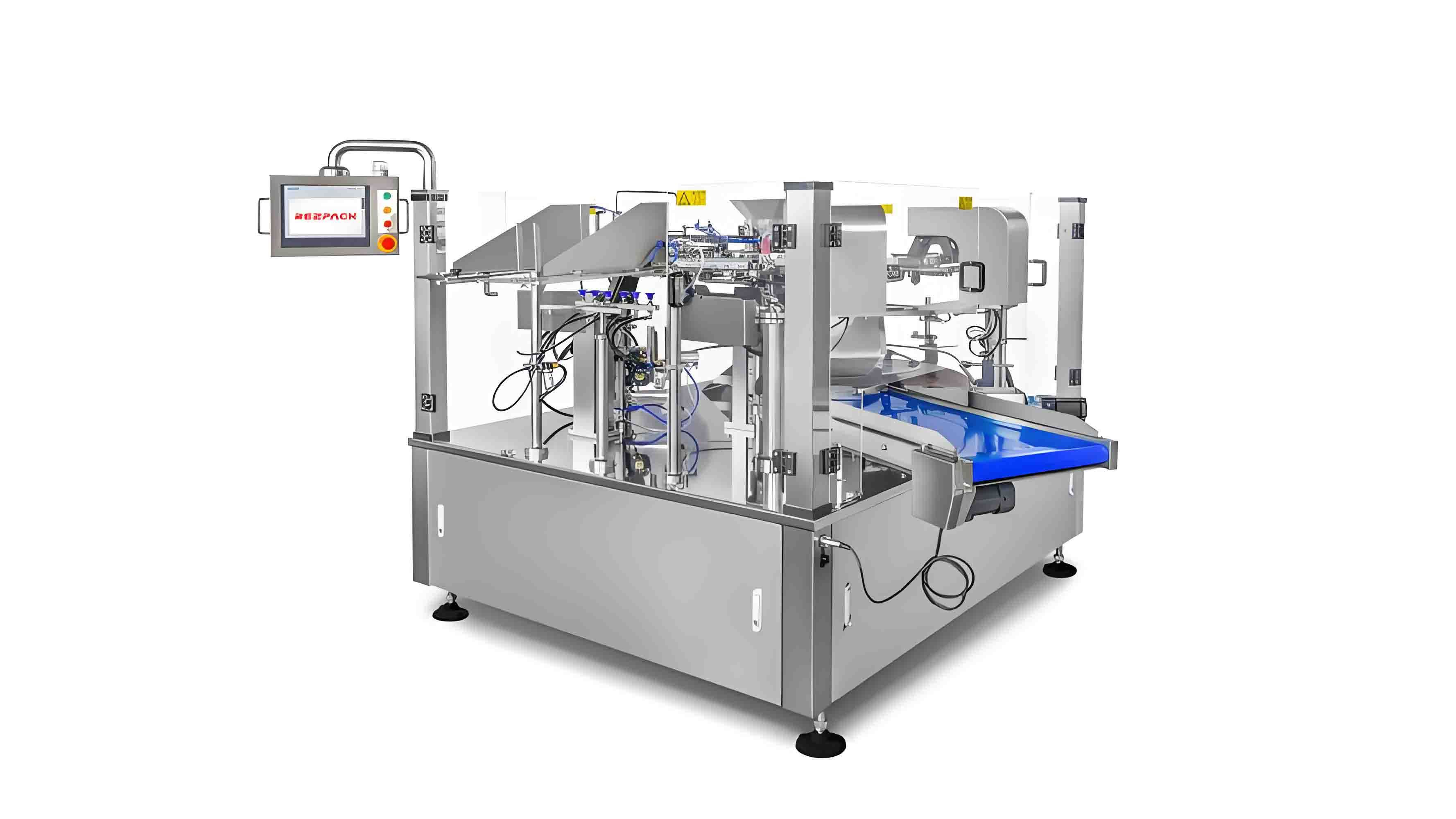
4. Cartoning/Case Packing Machines: Place a product or multiple products into a carton or cartons.
Automatic Carton Packing Machines: Automatically place products (such as medication tablets, cosmetics, and small food pouches) and instructions into cartons and seal them.
Cartoning/Case Packing/Sealing Machines: Automatically complete the entire process of forming cartons, packing products into cartons, and finally sealing them.
5. Labeling Machines: Apply labels (self-adhesive, shrink labels, etc.) to products or packaging containers.
Self-adhesive labeling machines: The most widely used.
Sleeve labeling machines: Apply tubular labels to bottles and then shrink-fasten them.
Hot-melt adhesive labeling machines: Primarily used for applying labels to cartons.
6. Filling Machines: Specifically refer to filling liquid products into containers. While a key branch of filling machines, they are often listed separately in the industry.
Atmospheric pressure filling machines: Liquid flows into the container by gravity.
Vacuum filling machines: Fill under vacuum to reduce oxidation and are used for edible oils, juices, and other products.
Pressure filling machines: Fill under external pressure and are used for viscous materials such as sauces and pastes.
Isobaric filling machines: Mainly used for carbonated beverages, the bottle is first filled with carbon dioxide at a pressure equal to that of the liquid before filling to prevent the carbon dioxide from escaping.
7. Vacuum and Modified Atmosphere Packaging Machines: These extend the shelf life of food by modifying the atmosphere within the package.
Vacuum packaging machines: Remove air from the bag and seal it.
Modified Atmosphere Packaging Machines: After removing air, the bag is filled with a mixture of nitrogen, carbon dioxide, and other gases before sealing.
8. Form-Fill-Seal Machines: These are highly integrated machines that automatically form the packaging material, fill the product, and finally seal it.
Vertical packaging machines: Use roll film to create the bag on-site, then fill and seal it. They are commonly used for small bags of snacks and condiments.
Horizontal packaging machines: These use roll film to form horizontally, fill, and seal. They are commonly used for products such as biscuits, bread, and toothbrushes.
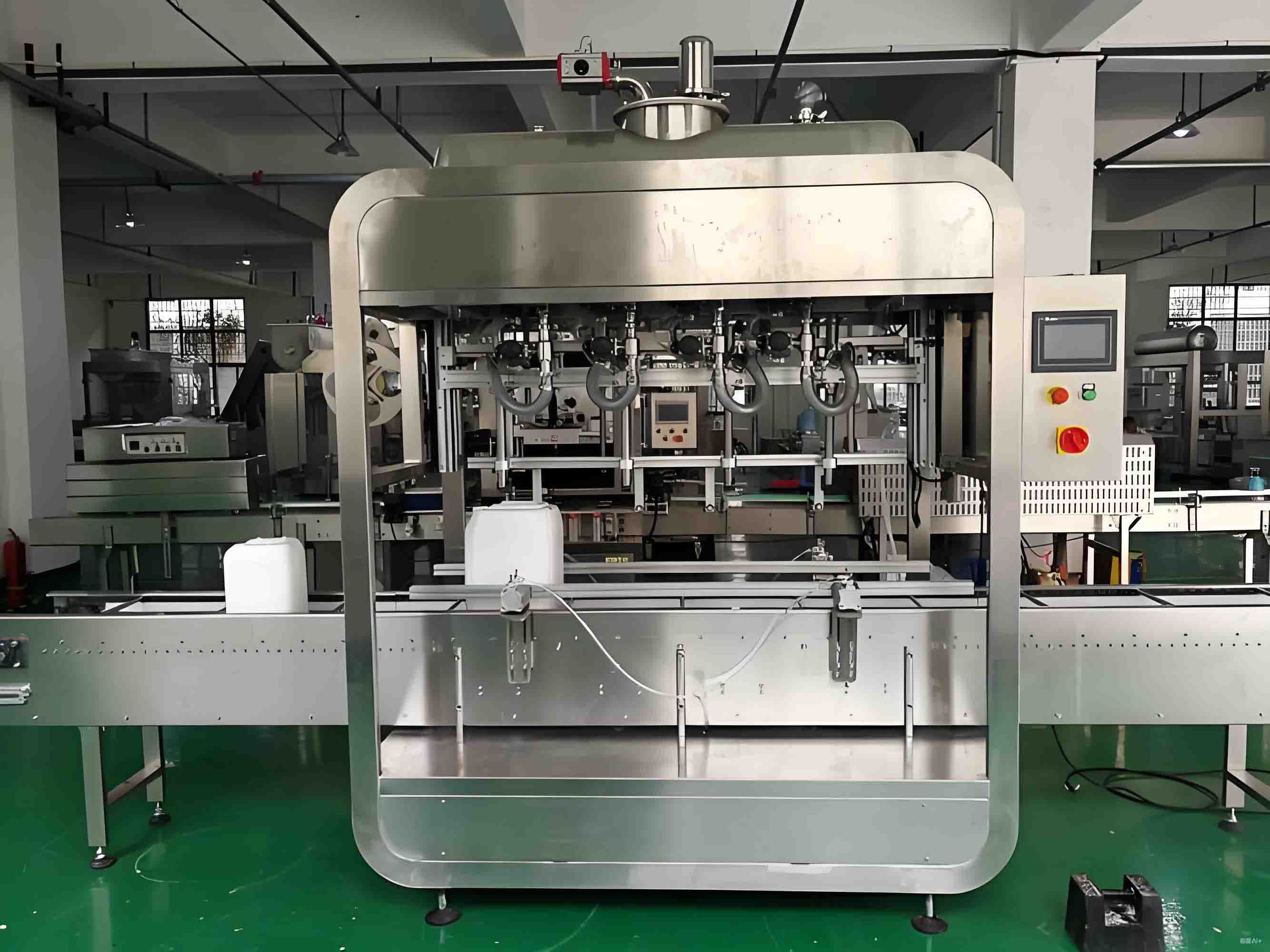
Classification by Level of Automation
1. Fully Automatic Packaging Machines
The entire line operates automatically, requiring minimal manual effort for monitoring, loading, and adjustments. They offer high production efficiency and are the mainstream in modern factories.
2. Semi-Automatic Packaging Machines
Some manual steps are required, such as placing the product, placing the packaging container, and starting the machine. These machines are relatively low-cost and suitable for small and medium-sized businesses and those with low production volumes.
3. Manual Packaging Machines
These rely entirely on manual operation, such as hand-operated sealers and manual coding machines. They are suitable for workshops, laboratories, or those with very low production volumes.
Classification by Material Type
Solid Packaging Machines: These include candy, biscuits, and hardware packaging machines.
Liquid Packaging Machines: These include beverage and edible oil filling machines.
Powder Packaging Machines: These include milk powder and laundry detergent packaging machines.
Granular Packaging Machines: These include seeds and grain packaging machines.
Sauce packaging machines: such as ketchup and honey packaging machines.
Summary
In practice, a single piece of packaging equipment often combines several of the above types. For example, a beverage production line might include a rinser, filler, capper, labeler, inkjet printer, cartoner, wrapper, and palletizing robot.
When selecting a packaging machine, first clarify your product characteristics (physical state, shape, sensitivity), packaging material (bags, bottles, boxes, cans), production speed requirements, and budget. Then, based on the above categories, find the most suitable equipment type. We hope this detailed classification is helpful! Welcome to contact Fame Machinery to buy packaging machines.