What types of filling machines are there?
- Share
- Issue Time
- Nov 2,2025
Summary
Filling machines are core equipment in packaging production lines. There are numerous types, classified according to various criteria.
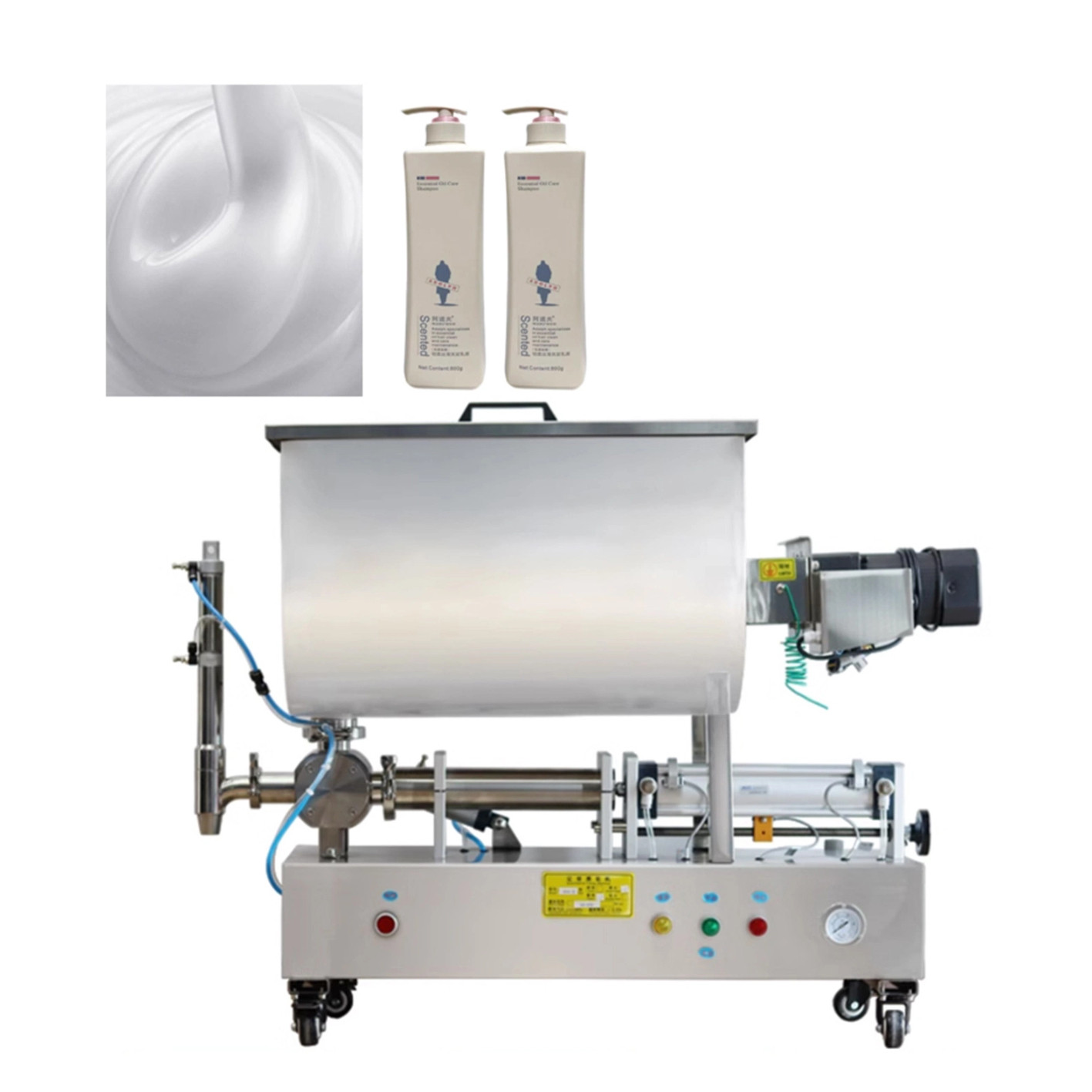
1. Classification by Operating Principle (Filling Method)
This is the most core and common classification method, determining how the machine dispenses the product into the container.
1. Atmospheric Pressure Filling Machine
Principle: Under normal pressure, the liquid flows freely into the container under its own gravity.
Features:
*Simple structure and easy maintenance.
*Relatively slow filling speed.
*Potential for bubbles.
Applicable to: Low-viscosity, gas-free liquids, such as mineral water, liquor, vinegar, soy sauce, and cooking oil.
2. Pressure Filling Machine
Principle: Filling is performed under conditions above normal pressure. The pressure in the storage tank is higher than the pressure in the bottle, forcing the liquid into the container.
Features:
*Fast filling speed.
*Effectively prevents liquid evaporation and aroma loss. Reduces bubble formation.
Applicable to: Liquids containing gas, such as beer, soda, champagne, and sparkling wine.
3. Vacuum Filler
Principle: The container is first evacuated to create a negative pressure inside. The liquid is then forced into the container using atmospheric pressure or the pressure of the storage tank.
Features:
*High filling accuracy and effective prevention of dripping and oxidation.
*Ideal for easily oxidized and volatile products.
Applicable to: High-end liquor, wine, liquid medicines, oils, and chemical reagents.
4. Gravity Negative Pressure Filler (also known as "Isobaric Filler")
Principle: This is a special form of pressure filler. Gas (usually CO₂) is first inflated into the container to equalize the pressure in the storage tank. The liquid then flows into the container under its own gravity.
Features: This is the ideal filling method for carbonated beverages, retaining the maximum amount of carbon dioxide and preventing gushing.
Applicable to: All carbonated beverages, including cola, beer, and carbonated drinks.
5. Peristaltic Pump Filling Machine
Principle: A roller alternately squeezes and releases the flexible pump tubing, creating negative pressure inside the tubing to draw in and out the liquid.
Features:
*Liquid only contacts the pump tubing, not the pump body, preventing cross-contamination and ensuring high hygiene.
*Easy to clean and replace, suitable for small-batch, multi-variety production.
*Filling volume is precisely controllable.
Applicable to: Daily chemicals, pharmaceuticals, laboratories, highly corrosive liquids, and high-viscosity sauces (such as jam and yogurt).
6. Gear Pump/Plunger Pump Filling Machine
Principle: Liquid is precisely metered and delivered through the rotation of gears or the reciprocating motion of a plunger.
Features:
*Extremely high filling accuracy, especially suitable for high-viscosity materials.
*Relatively complex structure and high cost.
Applicable to: High-viscosity, semi-fluid products such as ketchup, toothpaste, face cream, ointment, paint, and honey.
7. Measuring Cup Filling Machine
Principle: Measures a fixed volume using one or more measuring cups, then pours the liquid into a container.
Features:
*High speed, suitable for filling granules and pastes where precision is not a priority but efficiency is important.
*Simple structure.
Applicable to: Jams, pickles, granular materials (such as beans and nuts), etc.
II. Classification by Level of Automation
1. Fully Automatic Filling Machine
Features: The machine automatically performs all the functions, from loading the container, positioning, filling, capping (or pressing), to discharging the bottle.
Applications: Large-scale production lines, companies seeking high efficiency, high output, and stability.
2. Semi-automatic Filling Machine
Features: The machine automatically performs all the functions, from loading the container, positioning, filling, capping (or pressing), to discharging the bottle.
Applications: Small-batch production, start-ups, or applications with frequent product changes.
3. Manual Filling Machine
Features: Completely manually operated, such as a handheld filling gun.
Application to: Laboratories, workshops, or very low-volume production.
III. Classification by Material Type
1. Liquid Filling Machine
This machine covers most of the principles mentioned above and is used for various liquids with good flowability.
2. Paste Filling Machine
This machine typically uses a plunger pump, gear pump, or screw pump to overcome the resistance caused by high viscosity. Examples include filling shampoo, facial cleanser, ointment, and butter.
3. Sauce Filling Machine
This machine is between liquid and paste and may use a peristaltic pump, piston pump, or gravity-fed type (for sauces with good flowability). Examples include ketchup, salad dressing, and chili sauce.
4. Granule/Powder Filling Machine
This machine operates differently from liquids and often uses screw metering, measuring cup metering, or net/gross weight scales for quantitative measurement. Examples include milk powder, coffee powder, MSG, seeds, and tablets.
IV. Other Special Types
1. By Bottle Finish Handling: Does the machine have safety features that prevent filling or stop the machine if a bottle is stuck?
2. By Number of Filling Heads: Available in single, dual, quad, 8, 16, or even more filling heads. The more heads, the higher the efficiency.
3. By Container Type: Can be used to fill various packaging forms, including plastic bottles, glass bottles, metal cans, plastic bags, and drums.
Summary and Selection Recommendations
When choosing a filling machine, consider the following factors | ||
| Product Characteristics | Is it a liquid, paste, or powder? What is its viscosity? Does it contain gas? Is it easily oxidized or volatile? | |
| Product Capacity Requirements | What is the required production speed (e.g., bottles/hour)? | |
| Container Type | The bottle's material, shape, size, and neck dimensions. | |
| Accuracy Requirements | How precise is the required filling volume? | |
Budget | The more automated and complex the equipment, the higher the price. | |
Hygiene Level | The food and pharmaceutical industries have extremely high hygiene requirements, so choose equipment that meets GMP standards. | |