What are the features of the blister packaging machine?
- Share
- Issue Time
- Nov 23,2025
Summary
Blister packaging machines are a very common type of packaging machinery, primarily used for sealing products such as pharmaceuticals, foods, medical devices, and electronic components.
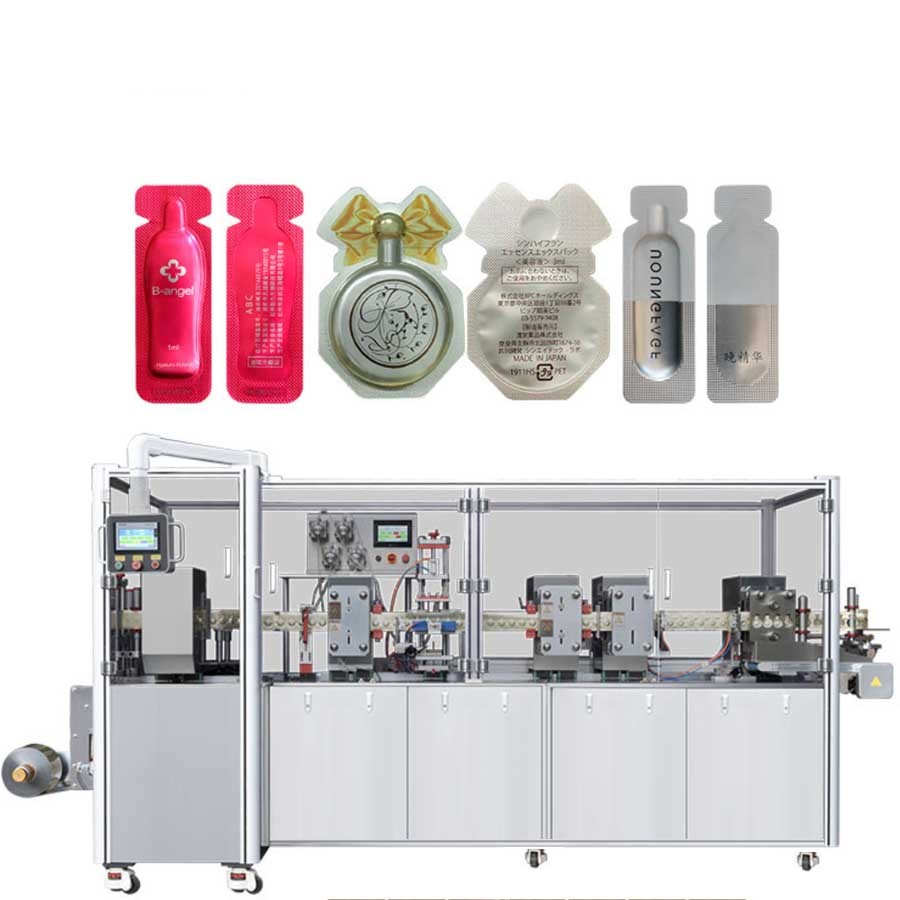
Blister packaging machines are a very common type of packaging machinery, primarily used for sealing products such as pharmaceuticals, foods, medical devices, and electronic components. Their core feature is the formation of a transparent "blister" or "water bubble" to enclose the product, which is then heat-sealed to a base sheet (usually aluminum foil or a paper-plastic composite material).
The following are the main features of blister packaging machines, which can be explained in detail in several aspects:
Core Process and Functional Features
Visual Packaging:
Transparent plastic sheets (such as PVC, PET, and PP) allow consumers to directly observe the product's appearance, color, and shape, enhancing purchasing confidence and facilitating identification and inspection during distribution.
Excellent Protection:
Moisture-proof, dust-proof, and anti-oxidation: The sealed blister effectively isolates the product from outside air, moisture, and contaminants, making it crucial for products sensitive to humidity and oxygen, such as pharmaceuticals and foods.
Impact and Vibration Resistance: Each product has its own compartment, preventing collision and friction between products, making it particularly suitable for fragile or delicate products.
Ease of Use:
Easy Access: Common "press-through" or "tear-off" designs allow consumers to easily remove a single product from a blister, ensuring convenience and hygiene while the remaining product remains sealed.
Unitized Packaging: This allows for single tablets, pills, or individual units to be packaged accurately, ensuring precise dosage, particularly in line with medication requirements.
Enhancing Product Quality and Anti-Counterfeiting:
Beautiful, neat blister packaging significantly enhances a product's image.
The base can be printed with exquisite graphics, brand logos, and instructions. Laser coding and other technologies can also be used to achieve product traceability and anti-counterfeiting.
Equipment Technology and Performance Features
High Automation and Efficiency:
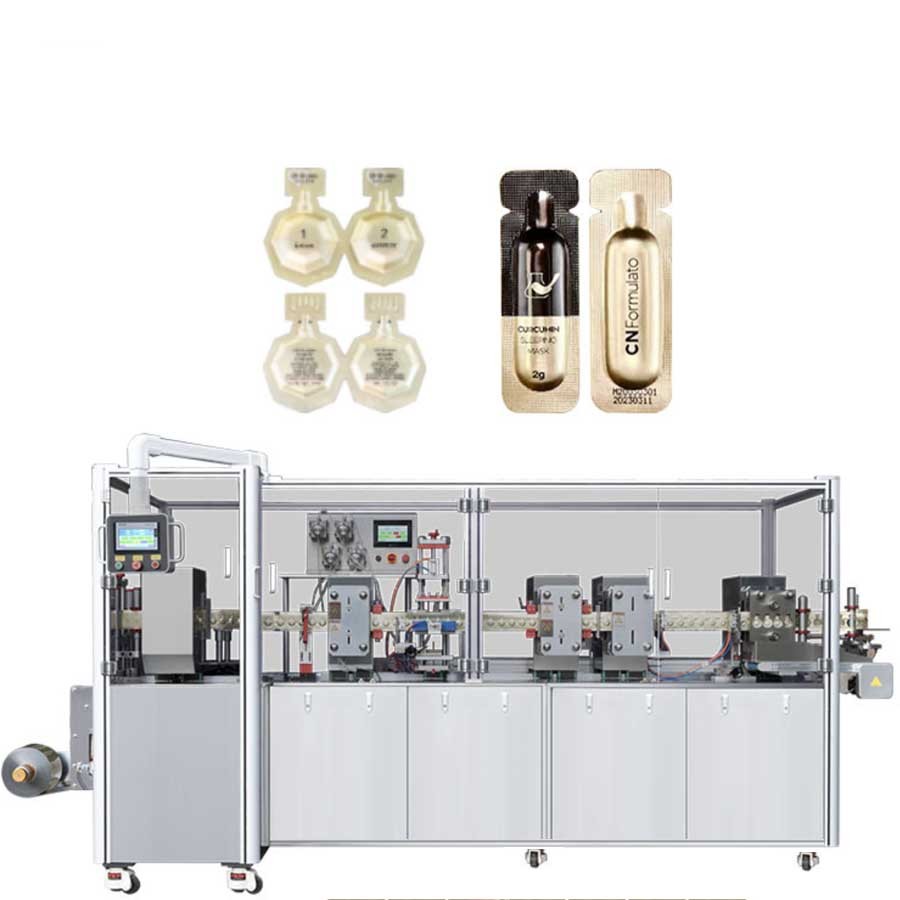
Modern blister packaging machines are highly automated, automatically completing a series of processes, including heating the plastic sheet, blowing (or brewing), filling, foil heat sealing, batch number stamping, and punching. They offer exceptionally high production efficiency (up to hundreds of blisters per minute).
High Flexibility:
Interchangeable Molds: By replacing forming and punching dies of different shapes and sizes, the same machine can package products of varying specifications, meeting the needs of high-variety, small-batch production.
Wide Material Compatibility: It can accommodate plastic sheets and cover materials of varying types and thicknesses.
Meeting Stringent Production Regulations (Particularly for the Pharmaceutical Industry):
Easy to Clean: The equipment design typically complies with GMP (Good Manufacturing Practice) requirements, with smooth surfaces and no blind spots, facilitating thorough cleaning and sterilization.
Integrity Testing: High-end models incorporate in-line inspection systems (such as visual inspection and leak detection) to ensure that each blister is properly sealed, free of cavities or missing blister particles, and thus guaranteeing product quality.
Energy Saving and Environmental Protection:
New blister packaging machines typically utilize advanced heating and cooling technologies, resulting in lower energy consumption.
They utilize relatively less packaging material and can precisely mold to the product shape, reducing material waste. Some machines are also compatible with more environmentally friendly recyclable materials.
Application Areas and Characteristics
Pharmaceutical Industry: This is the largest application area. It is used for packaging tablets, capsules, pills, injections, suppositories, and other products. The highest requirements are placed on equipment precision, stability, and compliance.
Food Industry: Used for candy, chewing gum, snacks, jellies, etc. The packaging emphasizes attractive appearance and freshness preservation.
Medical Devices: Packaging syringes, surgical blades, catheters, etc. requires sterility and extremely high protection.
Electronic Components: Packaging integrated circuits, crystal oscillators, chips, etc. primarily for anti-static, moisture-proof, and physical damage protection.
Daily Chemicals: Such as button batteries, small hardware, toys, etc.
Summary
In summary, the characteristics of blister packaging machines can be summarized as: efficient automation, excellent protection, ease of use, good display, and high flexibility. More than just a simple packaging tool, they are key equipment for ensuring product quality, enhancing brand value, and meeting modern industrial production standards. Guangzhou Fame Machinery Co.,Ltd can suppy different blister packing machines.