What are the features of the bagging machine?
- Share
- Issue Time
- Nov 2,2025
Summary
A bagging machine is a very common packaging machine, widely used in industries such as food, chemicals, pharmaceuticals, daily chemicals, and agricultural products.
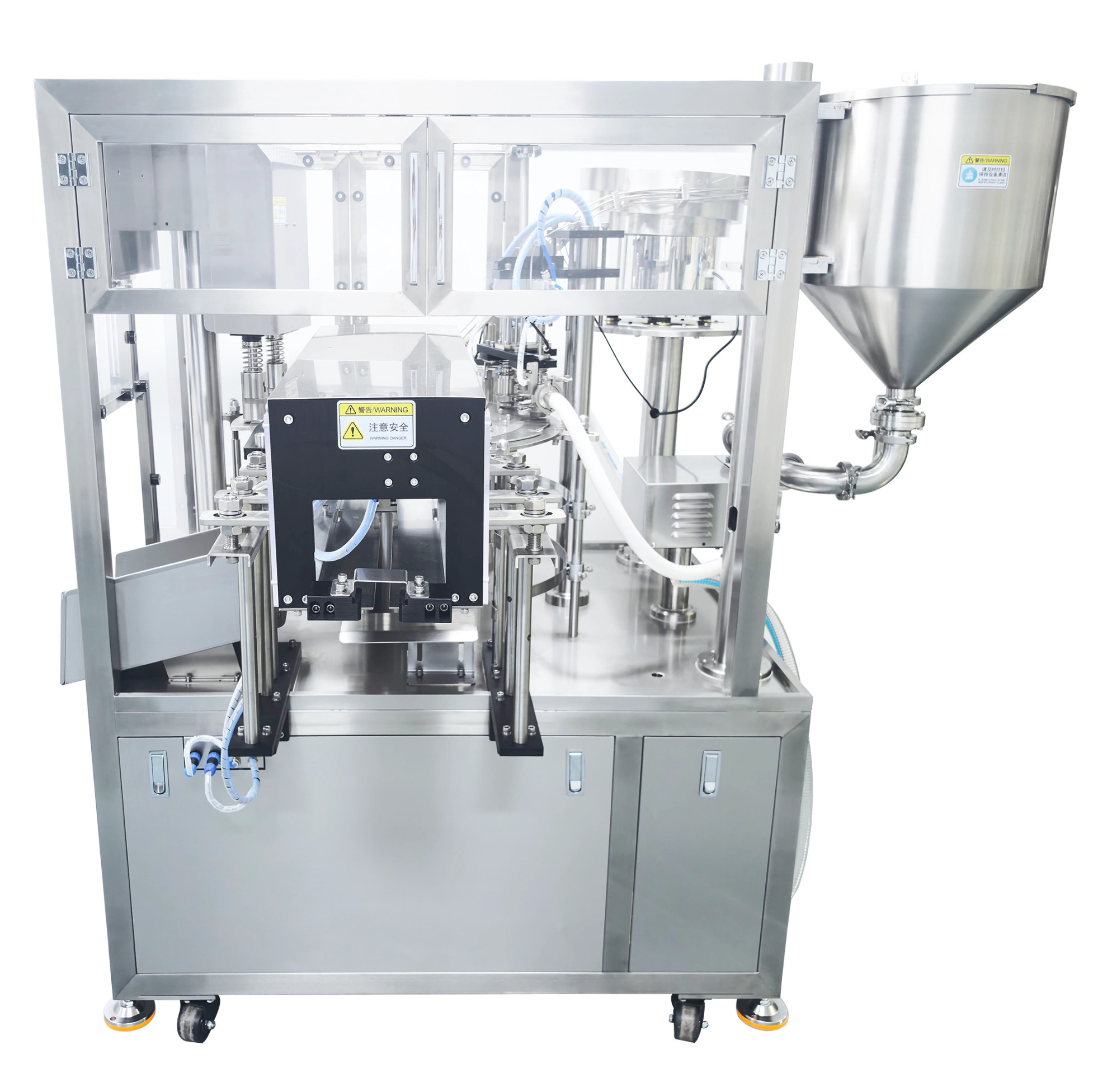
I. Main Advantages and Features
1. High Efficiency and High Degree of Automation
A bagging machine is a representative example of automated production, capable of continuously completing a series of operations, including bag making, metering, filling, sealing, date printing, and counting.
It is extremely fast, capable of packaging dozens to hundreds of bags per minute, depending on the material and bag type, far exceeding manual packaging and significantly improving production efficiency.
2. High Packaging Accuracy
Advanced metering systems (such as screw metering, electronic scales, and volumetric metering) enable precise control of the packaging volume of each bag, ensuring the stability and consistency of the net product content, complying with national measurement standards, and reducing material waste.
3. Improved Product Hygiene and Safety
The machine is constructed of stainless steel and other materials that meet food hygiene requirements, making it easy to clean.
Automated packaging reduces direct human contact with the product, lowering the risk of microbial and human contamination, and is particularly compliant with GMP/HACCP requirements for the food and pharmaceutical industries.
4. Diverse Packaging Options and High Adaptability
① Various Bag Types: The machine can produce a variety of bag types, including three-side seal bags, four-side seal bags, back-seal bags, gusseted bags, stand-up pouches, and zipper bags.
② Wide Range of Materials: The machine can accommodate a variety of packaging materials, including composite film, plastic film, aluminum foil, and paper.
③ Flexibility: By replacing different metering devices and filling heads, the machine can accommodate packaging needs for a variety of materials, from fine to large particles, and from powders to viscous pastes.
5. Enhanced Corporate Image
The finished bags produced by the machine feature uniform shapes, beautiful seals, clear dates, and a uniform appearance, enhancing brand image and product quality.
6. Reduced Labor Costs and Intensity
One machine typically requires only one operator for loading and monitoring, replacing the repetitive work of multiple packaging workers. This significantly reduces long-term labor costs and alleviates the difficulty of recruiting workers.
II. Core Technical Features
1. Flexible Bag-Making System:
Driven by a servo motor, the bag-making length is accurate and stable. Bag length adjustment is very convenient, simply enter the parameters on the touch screen.
2. Stable Film-Feeding System:
Equipped with a photoelectric tracking or color-coded tracking system, it ensures accurate positioning of the packaging pattern.
3. Reliable Sealing System:
Typically uses heat-press sealing with precise temperature control, ensuring a secure, smooth, and leak-proof seal.
4. Intelligent Control System:
Utilizing a PLC (Programmable Logic Controller) and touch-screen human-machine interface, it is simple to operate, conveniently setting and modifying parameters, and equipped with self-diagnosis and alarm functions for fault diagnosis.
5. Modular Design:
Modern bag-filling machines often adopt a modular design, allowing for customization and functional expansion (such as adding nitrogen filling, exhaust, and perforation devices) to meet different customer needs.
III. Application Scope
Bagging machines are used in a wide range of applications, covering almost all areas requiring bag packaging:
1. Food Industry:
Snacks, nuts, candy, tea, condiments, milk powder, potato chips, frozen foods, pet food, etc.
2. Chemical Industry:
Fertilizers, feed, plastic granules, laundry detergent, additives, etc.
3. Pharmaceutical Industry:
Traditional Chinese medicine slices, granules, medicinal herbs, medical dressings, etc.
4. Daily Chemicals:
Laundry detergent, shampoo samples, wet wipes, facial masks, etc.
5. Hardware & Electronics:
Screws, nuts, small parts, etc.
IV. Characteristics of Different Types of Bag Filling Machines
Bagging machines can be further categorized based on the degree of automation and packaging format:
1. Vertical bag filling machines:
Material is filled from above and are suitable for granules, powders, liquids, etc. They occupy a small footprint and are the most widely used type.
2. Horizontal bag filling machines:
Material is filled horizontally and are primarily used for pillow-shaped packaging, such as biscuits, bread, and paper towels.
A bag-feeding bag filling machine uses pre-made packaging bags, requiring only opening, filling, and sealing. Advantages include a variety of aesthetically pleasing bag shapes (such as stand-up pouches and zipper bags) and easy product changeover, but the speed is generally lower than that of a vertical bag making machine.
In summary, the core features of a bag filling machine are: high efficiency, precision, hygiene, flexibility, and intelligence. It is an indispensable key piece of equipment for achieving product standardization, scale, and branding in modern industrial production.