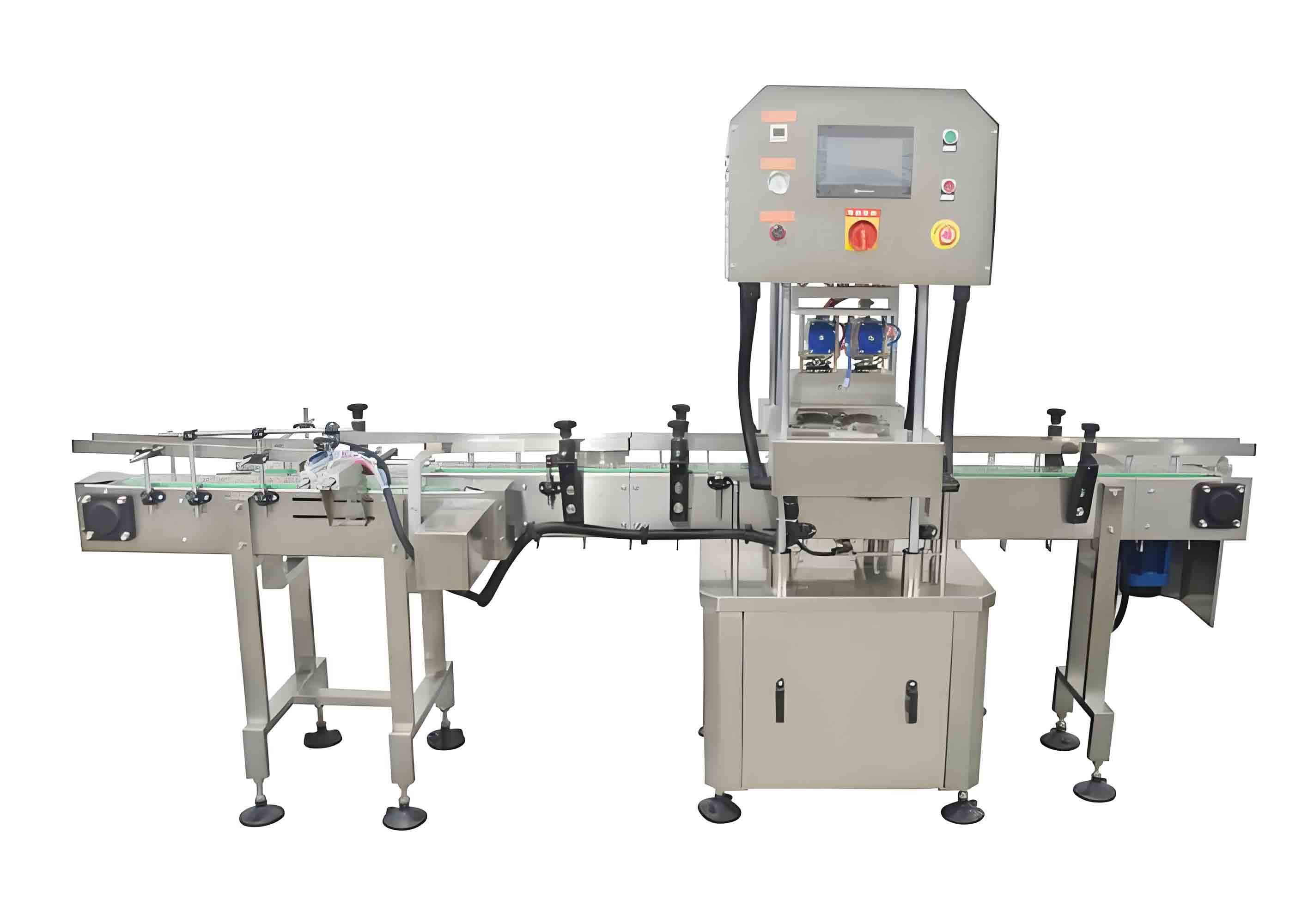
What are the characteristics of the fully automatic capping machine?
- Share
- Issue Time
- Nov 23,2025
Summary
Fully automatic capping machines are key equipment in modern industrial production, particularly in packaging lines for the food, beverage, pharmaceutical, cosmetic, and chemical industries.
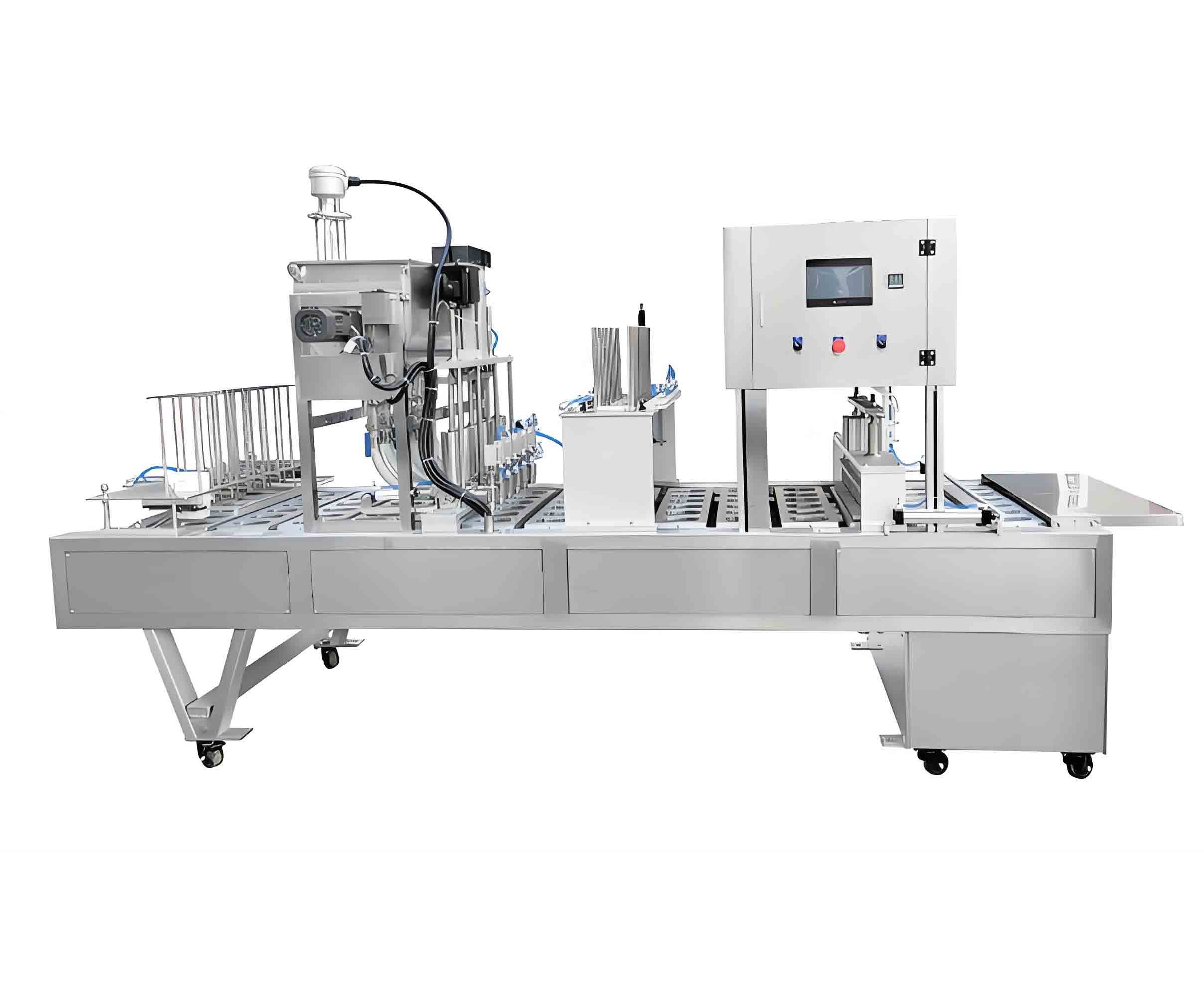
Fully automatic capping machines are key equipment in modern industrial production, particularly in packaging lines for the food, beverage, pharmaceutical, cosmetic, and chemical industries. Their key features can be summarized as follows:
1. High Efficiency and Capacity
Continuous Automated Operation: Requiring no human intervention, these machines seamlessly integrate with upstream equipment such as filling and labeling machines, enabling full automation from container transport to capping, significantly shortening production cycles.
High-Speed Capping: Depending on the machine model and cap type, they can process dozens to hundreds of containers per minute, far exceeding manual speeds and significantly improving overall production efficiency.
2. Stable, Reliable, and Highly Consistent
Adjustable and Precise Tightening Torque: Precision control systems such as pneumatics and servo motors enable precise setting and adjustment of capping torque. This ensures consistent tightness for every cap, preventing damage to the cap or deformation of the bottle due to overtightening, as well as leaks due to under-loosening.
High Yield: Automated operation eliminates the fatigue, emotional stress, and other uncertainties associated with manual operation, ensuring consistent and consistent product quality and minimizing the defective capping rate.
3. Wide Applicability and Flexibility
Adaptability to Multiple Bottle and Cap Types: By replacing the gripper, capping head, or adjusting parameters, the same machine can typically handle a wide variety of bottle and cap shapes and sizes (such as flat caps, spray caps, anti-theft caps, and screw-on caps).
Modular Design: Most modern capping machines utilize a modular design, allowing for customization and functional expansion based on production needs.
4. Intelligent and User-Friendly Operation
Human-Machine Interface (HMI): Typically equipped with a touchscreen, the HMI offers an intuitive user interface and simple and convenient parameter settings (such as torque, speed, and height).
PLC Control System: The core control unit is stable and reliable, equipped with fault diagnosis and production data statistics, facilitating management and maintenance.
Automatic Detection and Alarm: Features such as no-capping (no bottle), capping detection, and torque abnormality alarms prevent misoperation and waste, and prompt operators to address issues promptly.
5. High Hygiene and Safety
High-Quality Materials: Parts that come into contact with materials are typically made of 304 or 316 stainless steel, materials that meet food and pharmaceutical hygiene requirements, and are corrosion-resistant and easy to clean.
Rational Structure: The equipment design eliminates sanitary blind spots and complies with GMP (Good Manufacturing Practice) requirements.
Safety Protection: Equipped with safety features such as protective covers and emergency stop buttons to ensure operator safety.
6. Reduced Production Costs
Manpower Savings: One machine can replace multiple workers, significantly reducing labor and management costs in the long term.
Reduced Material Waste: Stable capping quality reduces product scrap and rework due to leaks or damage.
Low Maintenance Costs: Rugged construction and durable main components simplify routine maintenance, keeping long-term operating costs manageable.