What are the characteristics of the combination weighing packaging machine?
- Share
- Issue Time
- Nov 16,2025
Summary
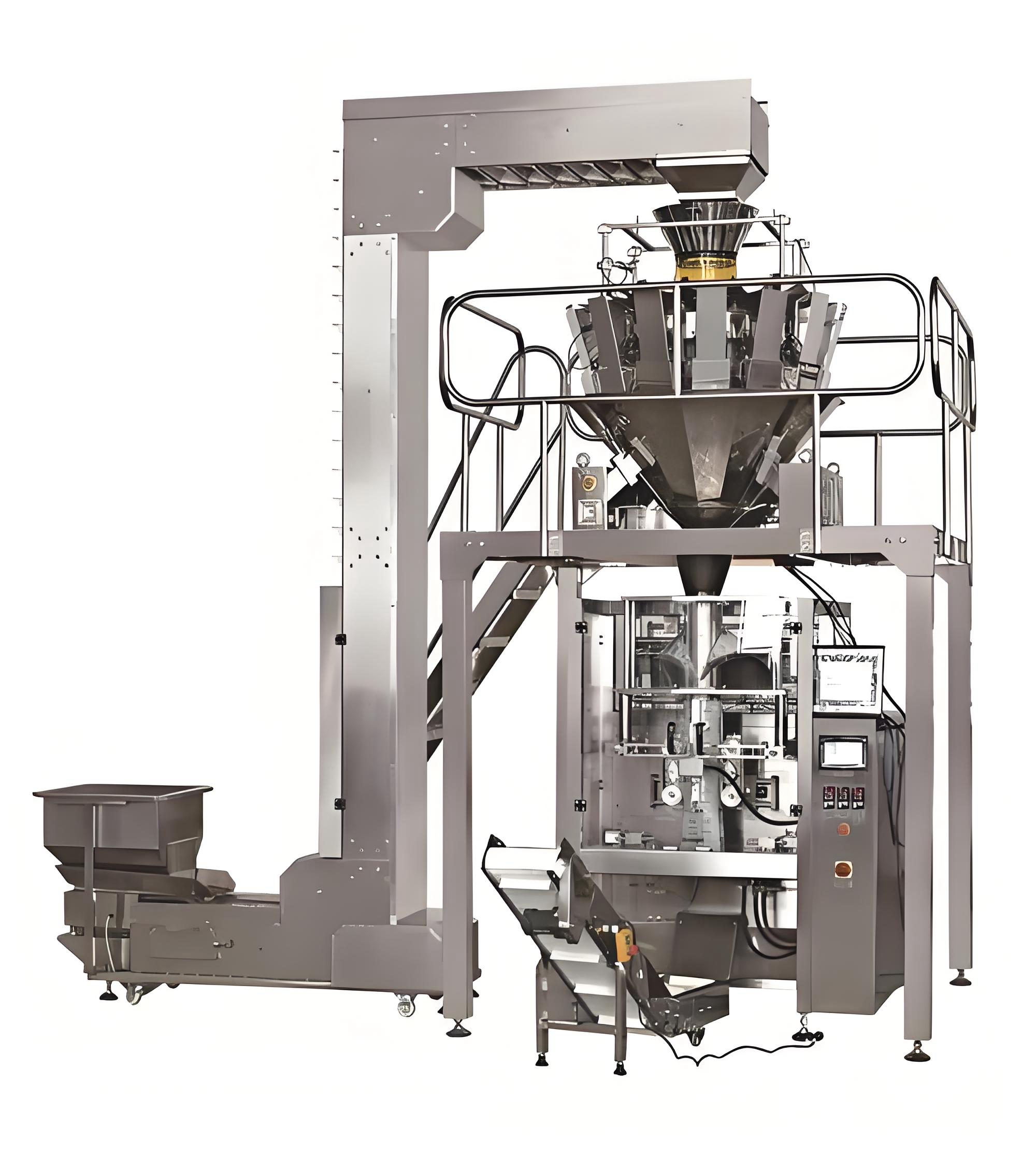
Combination weighers (also known as combination scales or computerized combination weighers) are core equipment in modern packaging machinery, particularly used for quantitative packaging of granular
I. Core Advantages (Compared to Traditional Scales)
1. High Speed and High Efficiency
Principle: A combination weigher typically has 8, 14, or even more weighing hoppers. During each weighing operation, all hoppers operate simultaneously, and a computer instantly selects the combination closest to the target weight from among thousands of combinations for material delivery.
Effect: Speeds can reach several to dozens of times that of traditional quantitative weighing scales, typically ranging from 60 to 120 bags/minute, with high-speed models reaching over 200 bags/minute, significantly improving production line efficiency.
2. High Precision
Principle: Rather than relying on the weight of a single hopper, it approaches the target value through a combination of weights. Even if there are slight errors in the feeding of each feed hopper, the system intelligently calculates and selects a combination with the lowest total error.
Result: Extremely high accuracy, with an average error typically controlled within ±0.1g to ±1g (depending on the target weight), effectively avoiding the cost losses caused by "overweight" and the legal risks associated with "underweight".
3. High Reliability
The combination scale's key components, such as the vibrating plate feeder and load cells, are precisely designed and manufactured.
It operates in a parallel processing mode. Even if a single weighing unit experiences a minor malfunction, the system can typically complete the weighing process using a combination of other units without causing a complete downtime, ensuring continuous production line operation.
II. Derivative Features and Application Advantages
1. Wide Range of Applications
Materials: Suitable for a variety of bulk materials that are prone to sticking, breaking, irregular in shape, and have varying flow properties. Examples include potato chips, nuts, candy, frozen foods, pet food, hardware, and cosmetic capsules.
Packaging Weight: A wide range of weights can be handled, from a few grams to several kilograms, by selecting from a variety of combination scale models.
2. High Level of Automation and Intelligence
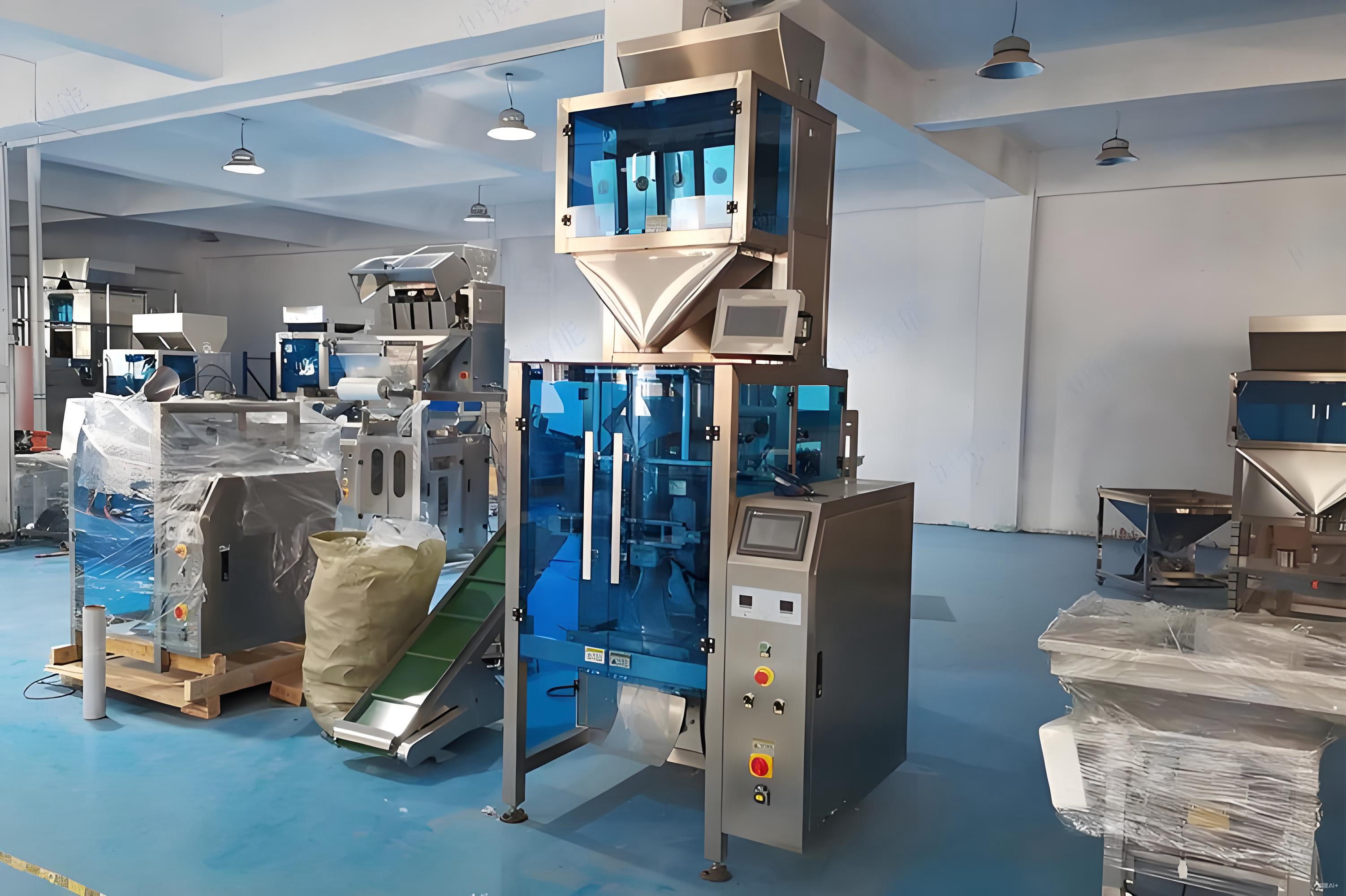
This weighing machine is typically integrated with equipment such as elevators, vertical packaging machines, and weight sorting scales to form a fully automated packaging production line.
The built-in microcomputer control system features automatic diagnosis, data statistics (such as production output and pass rate), parameter memory, and fault alarms. Operators can easily set and adjust parameters via the touchscreen.
3. Reduces Material Damage
For fragile products such as potato chips and shrimp crackers, this weighing machine utilizes gentle vibration feeding and free-fall, which causes less physical damage to the material than robotic gripping or screw feeding.
Compliant with Hygiene Standards
Major material-contact components (such as the hopper and vibrating plate) are typically made of stainless steel, making them easy to disassemble and clean, meeting GMP and HACCP hygiene requirements for the food and pharmaceutical industries.
III. Comparison Summary with Traditional and Linear Scales
| Features | Combination Scales | Traditional Single-Head Scales/Quantitative Scales | Linear Scales |
| Principle | Multiple heads weigh simultaneously, with optimal combination selection; | Single hopper for batch weighing | Material is segmented on the conveyor belt, and weight is calculated by integration |
| Speed | Very High | Low | Medium |
| Accuracy | Very High | Moderate | Low (significantly affected by material shape and belt conditions) |
| Applicable Materials | Very broad, especially suitable for irregular and fragile items | General granular and fluid materials | Long, flaky, and non-rolling materials (such as noodles and biscuits) |
| Cost | High | Low | Medium |
Summary: The core features of the combination scale packaging machine are "speed, accuracy, and stability." Through the advanced concepts of parallel processing and combination optimization, it solves the industry's challenges in high-speed, high-precision quantitative packaging and is an indispensable key piece of equipment in modern automated packaging production lines. While its initial investment is relatively high, its advantages, such as high efficiency, high accuracy, and material savings, provide a rapid payback period.