What are the characteristics of shrink packaging machines?
- Share
- Issue Time
- Nov 24,2025
Summary
Shrink wrapping machines are a very common type of packaging equipment. They use heat to tightly wrap heat-shrinkable plastic film around products or packages.
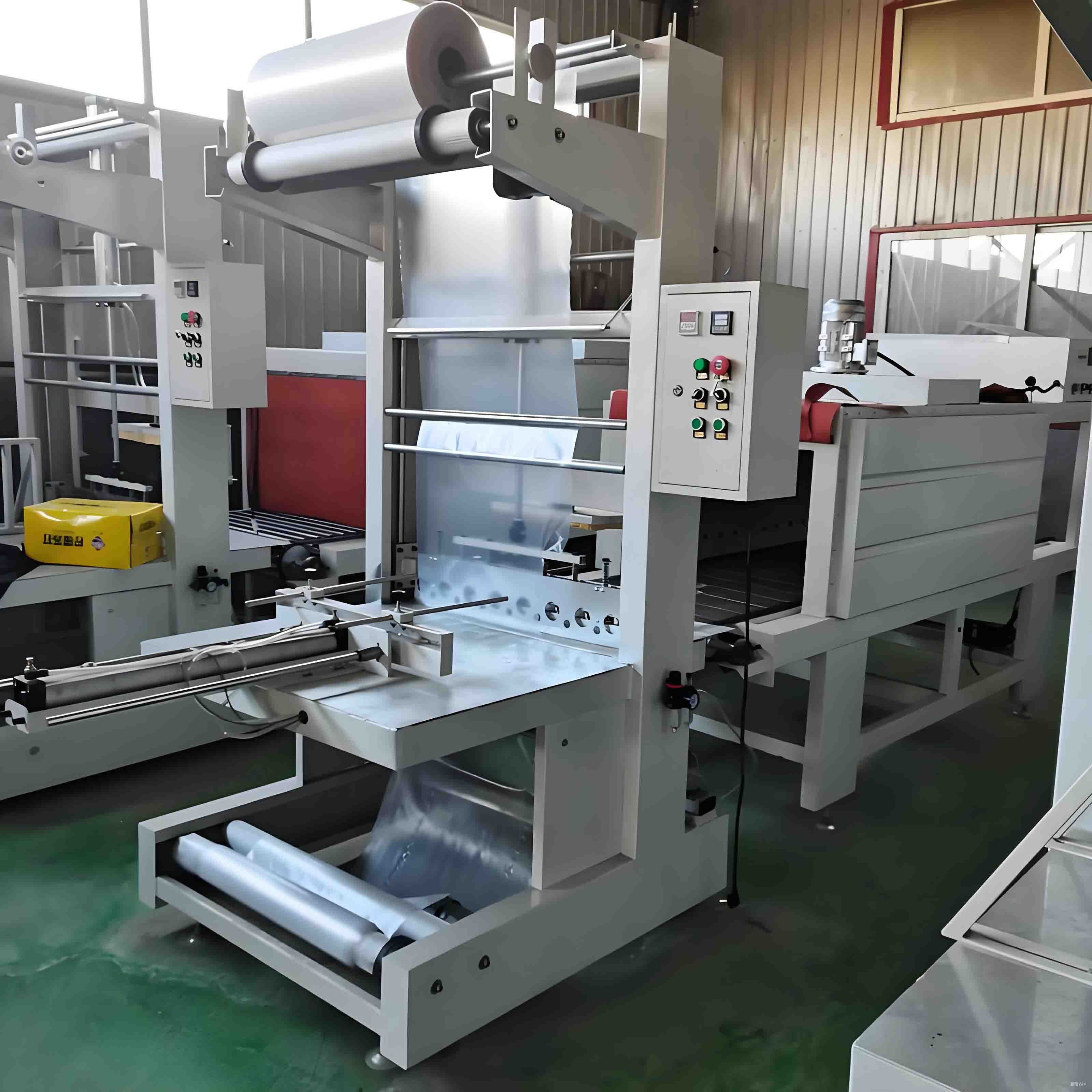
Shrink wrapping machines are a very common type of packaging equipment. They use heat to tightly wrap heat-shrinkable plastic film around products or packages. They offer distinct features, primarily reflected in the following aspects:
Core Features and Advantages
Excellent Packaging
Compact and Stable: They tightly wrap products together, preventing them from falling, shifting, or being damaged during transportation.
Transparent and Attractive: Most shrink film is transparent, perfectly showcasing the product's appearance and enhancing product display. They are often used for packaging multiple items (such as beverages and canned goods).
Waterproof and Dustproof: They form a protective film that effectively blocks dust, moisture, and contamination.
Efficient Production Capacity
High Level of Automation: They can be integrated with production lines to automate the entire process from feeding, wrapping, sealing, cutting, and shrinking, significantly reducing labor costs.
Fast Speed: Packaging speeds far exceed those of manual packaging, meeting the needs of large-scale production.
Excellent Protection
Shock and Impact Resistance: They secure multiple individual items together, enhancing their integrity and ensuring they can withstand certain shocks and vibrations.
Anti-theft: Once damaged, the packaging cannot be restored, providing a certain degree of theft prevention.
High Economic Benefits
Low Material Cost: Shrink film itself is relatively inexpensive.
Reduced Package Volume: Tight packaging reduces overall volume, saving storage and transportation space and reducing logistics costs.
Wide Adaptability: A single machine can be adjusted to package products of varying shapes and sizes, offering high versatility.
Characteristics of Different Types of Shrink Wrappers
Shrink packaging machines are mainly divided into three categories, each with its own focus:
1. L-Sealer
Features: The machine first forms a "sleeve"-like packaging bag, then pushes the product into it and shrinks it.
Advantages: Suitable for heavy, regular-shaped products (such as cartons and boxes), providing very secure packaging.
Disadvantages: Relatively slow speed.
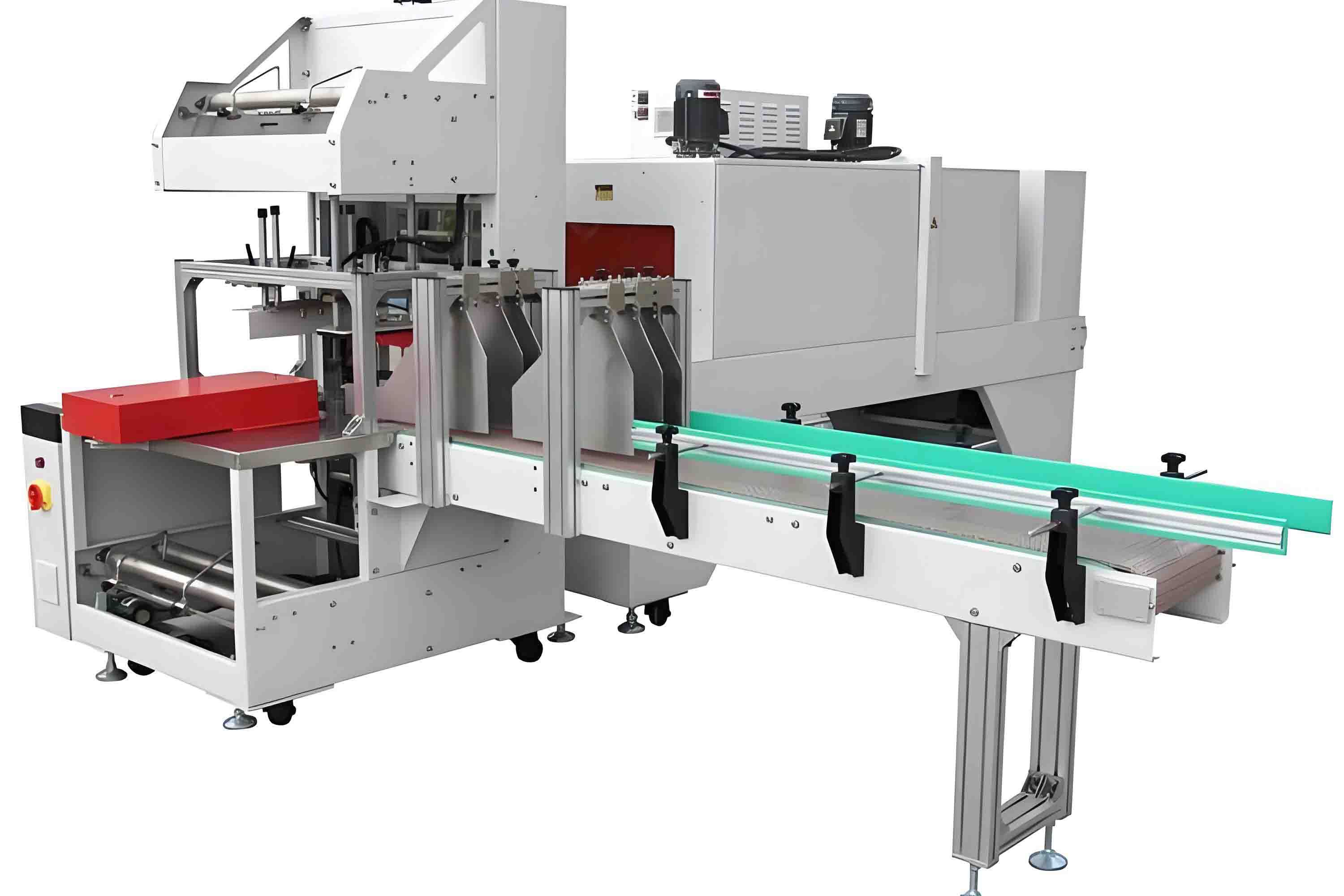
2. Fully Automatic Side Seal Shrink Wrapper
Features: The film is rolled, forming an overlap beneath the product, then longitudinally sealed (side seals), then transversely sealed and cut, before shrinking. This is the most common form.
Advantages: Highest degree of automation, high packaging efficiency, low film consumption (no intermediate overlap), suitable for packaging small, high-volume products.
Disadvantages: Less adaptable to irregularly shaped products.
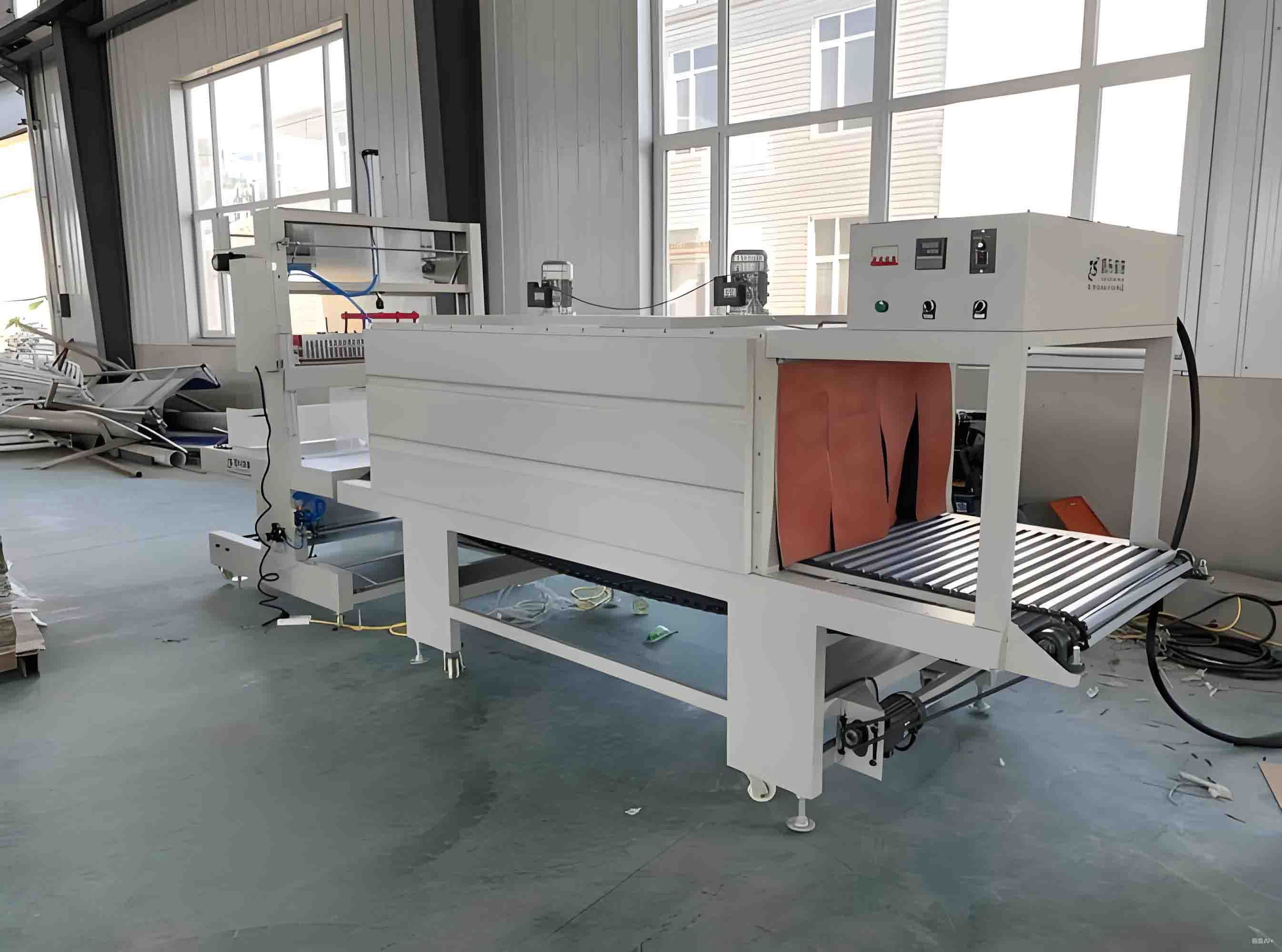
3. Heat Tunnel Shrink Machine
Features: This is a standalone device, typically used in conjunction with the aforementioned sealer and cutter. It consists of a tunnel with a heating element, through which the packaged products shrink as they pass through it.
Advantages: Uniform and perfect shrinking. Depending on the heating method (hot air, quartz tube, infrared), it is suitable for different films and products.
Disadvantages: Packaging cannot be completed using this machine alone; a pre-processing step is required.
Potential Limitations (Aspects to Consider)
Energy Consumption: The shrinking process requires continuous heating, resulting in relatively high energy consumption.
Film Consumption: Specialized heat shrink film is required; ordinary plastic bags cannot be used.
Equipment Space Required: Fully automated production lines, especially those with heat tunnels, require considerable installation space.
Maintenance: The heating element and sealing blade are consumable parts and require regular maintenance and replacement.
Summary
In summary, the key features of shrink wrap machines are their ability to provide compact, aesthetically pleasing, stable, and protective packaging while maintaining high efficiency and cost-effectiveness. They are widely used in a wide range of industries, including food, beverages, cosmetics, pharmaceuticals, stationery, hardware, and electrical appliances, making them an indispensable piece of packaging equipment in modern industrial production. Choosing the most suitable type depends on the specific shape and size of your product, production volume, and budget.