What Is an Automatic Filling Machine and How Does It Work?
- Share
- Issue Time
- Aug 6,2026
Summary
Automatic filling machines are designed to fill liquids, powders, granules, and other products into containers with high precision and efficiency. This article explains how automatic filling machines work, their key components, major advantages, common industrial applications, and the factors manufacturers should consider when selecting the right filling equipment to improve productivity, reduce waste, and maintain consistent product quality.
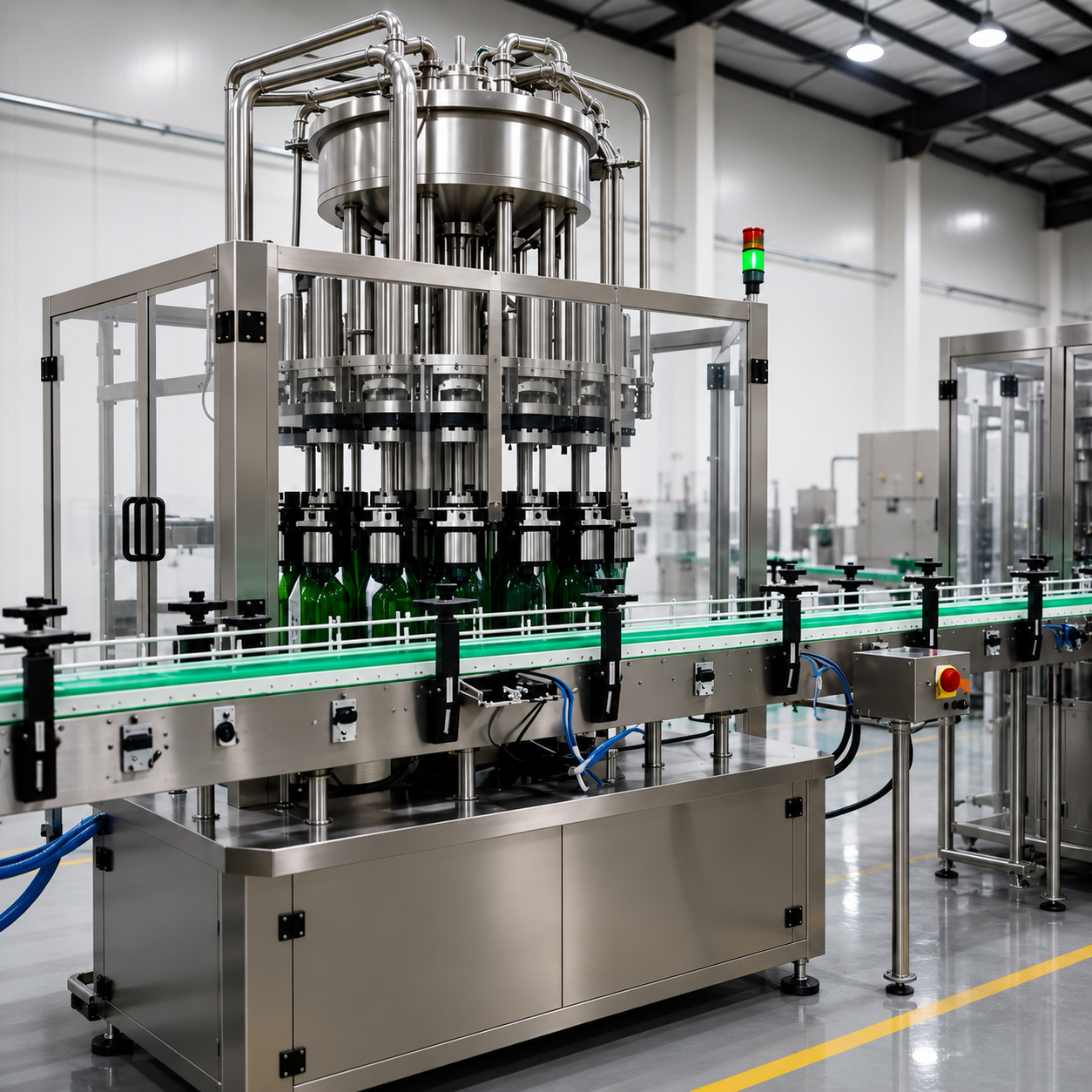
Understanding Automatic Filling Machines
An automatic filling machine is a production system designed to fill liquids, powders, granules, creams, or other products into containers with high precision and efficiency. These machines are widely used in industries such as food and beverage, pharmaceuticals, cosmetics, chemicals, and household products. By automating the filling process, manufacturers can achieve faster production speeds, consistent fill accuracy, and lower labor requirements.
Modern filling equipment can be configured for bottles, jars, cans, pouches, tubes, and other packaging formats, making it suitable for both small-scale production and large industrial manufacturing lines.
Main Features of Automatic Filling Machines
Advanced automatic filling machines offer a range of features that improve productivity and operational control. Common capabilities include:
● Adjustable filling volumes for different product sizes
● Touchscreen control systems for easy operation
● Automatic container detection and positioning
● Multi-head filling for higher output
● Precise dosing systems to reduce product loss
● Integration with capping, labeling, and packaging equipment
These features help manufacturers maintain stable production while ensuring consistent product quality.
Key Components and Working Principle
An automatic filling machine consists of several coordinated components that work together throughout the filling process.
Filling Unit
Depending on the product, the machine may use piston, pump, gravity, flow-meter, or auger filling technology to dispense the required amount of material.
Product Hopper or Tank
The hopper or storage tank supplies product continuously to the filling system, ensuring uninterrupted production.
Nozzles and Sensors
Filling nozzles deliver the product into containers, while sensors verify container presence and alignment before filling begins.
Conveyor System
Containers are automatically transported through the filling station, improving production speed and reducing manual handling.
Control System
PLC-based controls manage filling time, volume, speed, and machine synchronization for accurate and repeatable operation.
Together, these components allow the automatic filling machine to perform reliable, high-speed filling with minimal operator intervention.
Advantages of Using Automatic Filling Machines
Higher Production Efficiency
Automation enables manufacturers to increase output significantly compared with manual filling methods.
Improved Filling Accuracy
Consistent dosing helps reduce overfilling and underfilling, minimizing product waste and improving quality control.
Lower Labor Costs
Because the filling process is automated, fewer operators are required, reducing labor expenses and improving productivity.
Better Hygiene and Safety
Reduced human contact with the product lowers the risk of contamination, which is especially important in food, pharmaceutical, and cosmetic applications.
Flexible Production
Many machines can be adjusted for different container sizes and product formulations, supporting multiple product lines on the same equipment.
Industries That Commonly Use Automatic Filling Machines
Food and Beverage
Used for water, juice, edible oil, sauces, dairy products, and other food applications.
Pharmaceutical Manufacturing
Suitable for filling syrups, oral liquids, powders, gels, and other healthcare products with high accuracy.
Cosmetics and Personal Care
Ideal for lotions, creams, shampoos, perfumes, serums, and skincare products.
Chemical and Industrial Products
Applied to lubricants, detergents, cleaning agents, coatings, and industrial liquids.
Agricultural Products
Used for fertilizers, pesticides, and liquid agricultural formulations.
The flexibility of automatic filling machines allows them to serve a wide variety of manufacturing environments.
How to Choose the Right Automatic Filling Machine
When selecting an automatic filling machine, manufacturers should evaluate several important factors:
● Product type and viscosity
● Container material and shape
● Required filling accuracy
● Production capacity and speed
● Automation level
● Cleaning and maintenance requirements
● Future production expansion
● Budget and operating costs
Working with an experienced filling machine manufacturer can help identify the most suitable configuration for your production needs.
Conclusion
An automatic filling machine is a critical investment for manufacturers seeking higher productivity, consistent product quality, reduced waste, and improved operational efficiency. By understanding machine types, components, applications, and selection criteria, businesses can choose a filling solution that supports both current production requirements and long-term growth.