Advantages and disadvantages of rotary filling machines and linear filling machines
- Share
- Issue Time
- Jun 20,2026
Summary
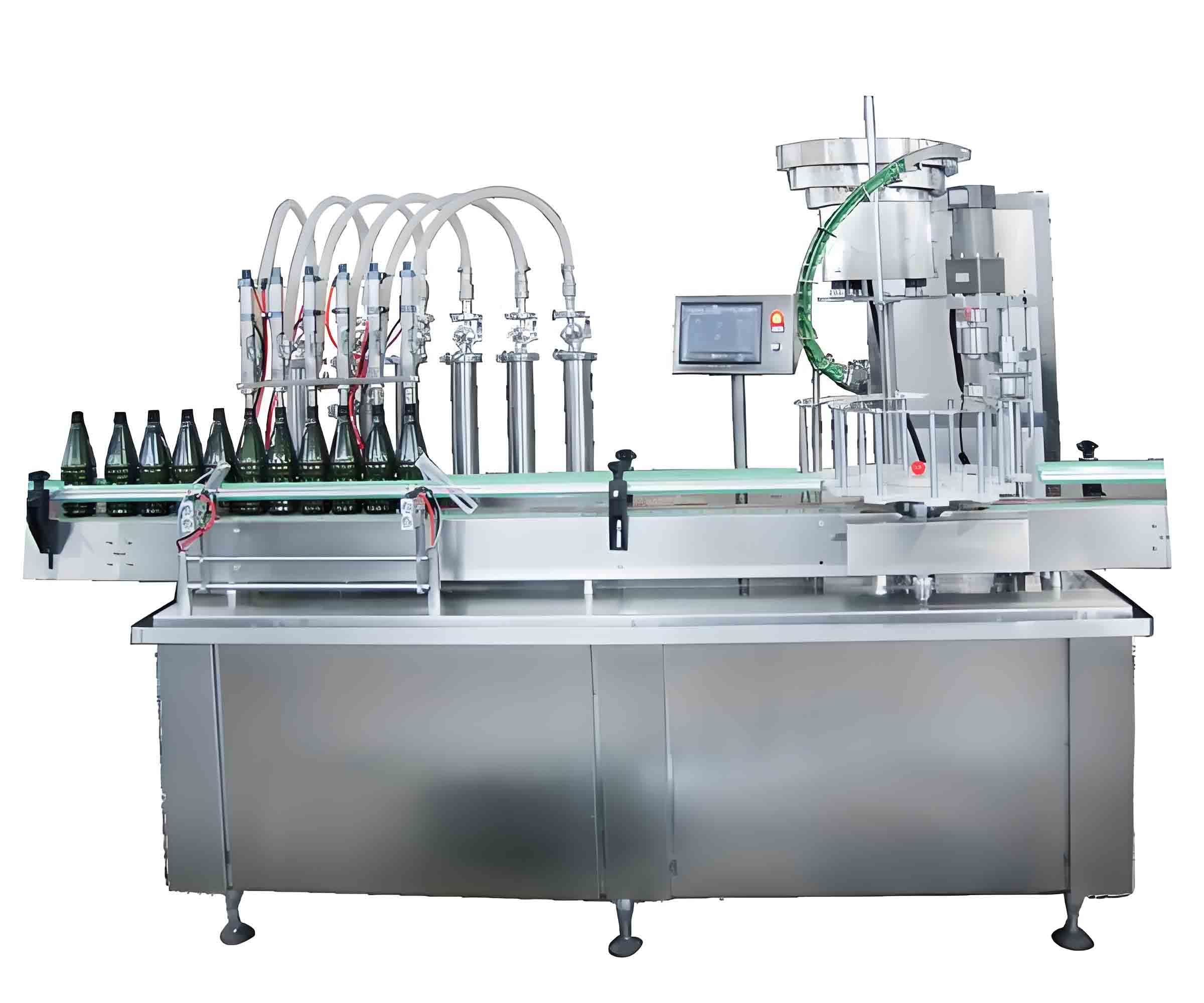
The core feature of linear filling and sealing machines lies in their "linear arrangement" layout, which gives them significant advantages in space utilization
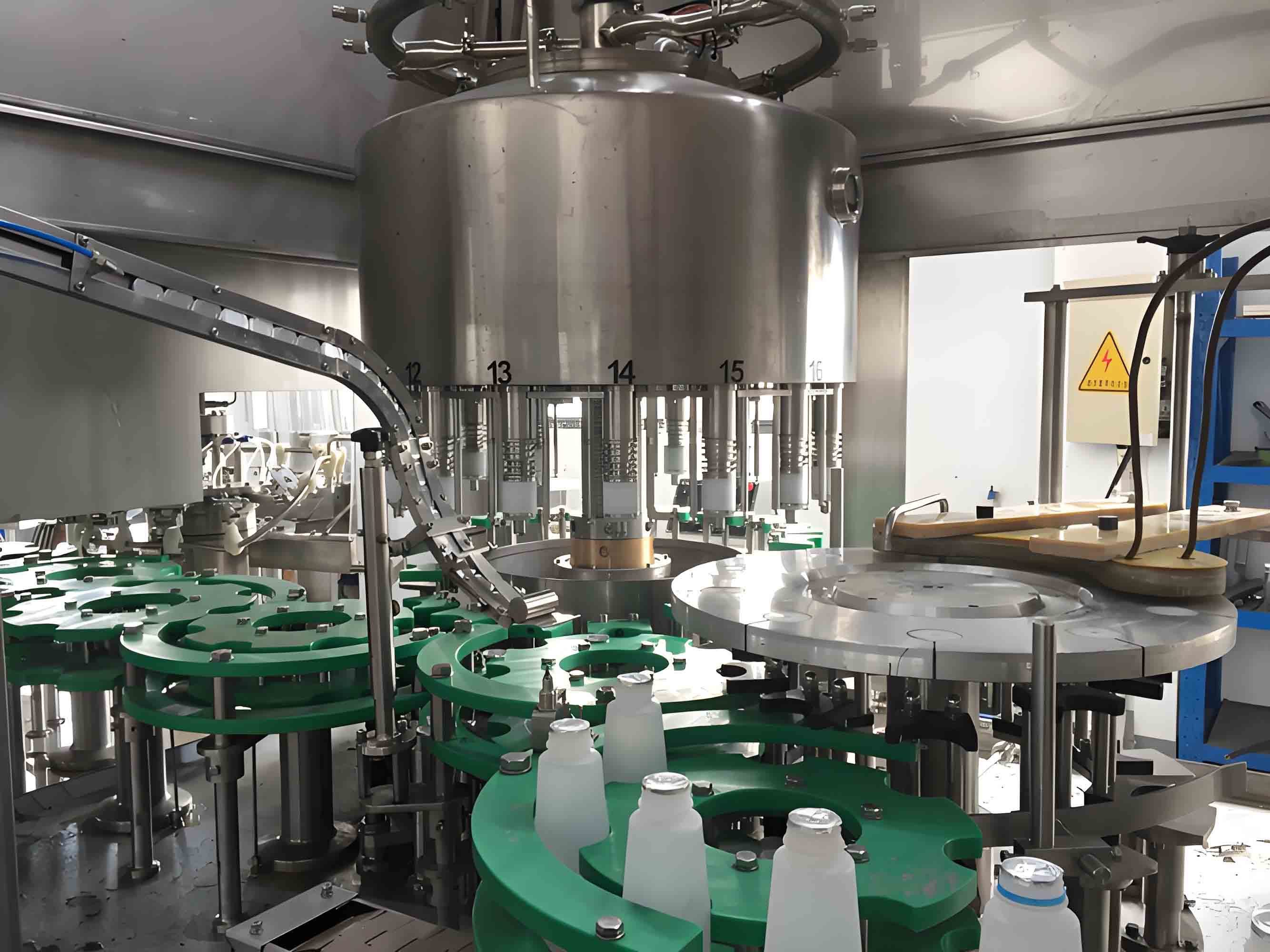
The core difference between rotary and linear filling machines can be simply understood as the difference between a high-efficiency circular production line and a segmented linear operation. One pursues ultimate speed and compactness, while the other emphasizes flexibility and stability.
I have compiled their advantages and disadvantages in key dimensions into the table below for your quick evaluation:
| Comparison Dimensions | Rotary Filling Machine | Linear Filling Machine |
| Production Efficiency | Significant Advantages: Multi-station operation simultaneously, suitable for large-volume continuous production; high-speed lines with an hourly output of tens of thousands of bottles are primarily rotary table systems. | Relative Disadvantages: Intermittent motion, typically slower than rotary table systems, more suitable for medium- to low-speed production. |
| Filling Accuracy | High accuracy. Often equipped with electronic scales or flow meters, high-precision models can achieve an error of ±0.05%. For easily foaming materials, high-end rotary machines can also achieve precise follow-up filling. | Good accuracy. Volumetric piston or time-pressure control can meet most requirements, but stability is slightly inferior for high-speed filling or certain materials. |
| Site and Layout | Space-saving. The more filling heads a vertical rotary layout has, the more space-saving the advantage becomes. | Large footprint. With filling heads arranged in a row, the more heads there are, the longer the production line becomes. |
Changeover Flexibility | Adjustments are relatively complex. Suitable for orders with few product varieties but large volume. Changing specifications on some models requires replacing mechanical parts such as cams. | gh Flexibility: Adjusting bottle type and capacity usually does not require changing parts; simple adjustments are sufficient. |
Equipment Investment | High cost. Complex structure, high technical threshold, initial purchase price significantly higher than linear type. | Lower cost. Relatively simple structure, high cost-effectiveness, the first choice for small and medium-sized enterprises to start with. |
Maintenance and Operation | High requirements. Requires skilled technicians for debugging and maintenance; easily worn parts such as the turntable mechanism and cams need regular replacement. | mple and Convenient.
Intuitive structure; ordinary workers can operate and maintain it after training. |
Product/Container Adaptability | Wide range. While requiring bottle shape stability at high speeds, it can handle various sizes. | very wide range. Adaptable to bottles ranging from a few milliliters to large 20-liter containers; suitable for both hard bottles and soft bags. |
Rotary type: Prefer if you have large order volumes, a limited product range, and limited space, requiring extreme speed and high automation (e.g., beverages, beer, large-scale consumer goods). Its high output can reduce the cost per bottle.
Linear type: Prefer if you are a small or medium-sized enterprise with variable product specifications, frequent production changes (e.g., condiments, lubricants, pharmaceutical reagents), or a limited purchasing budget. Its flexibility and low maintenance costs are key advantages.